













How do you keep your property tax simple as a UK landlord? The short answer: record rental income and expenses digitally as they happen, and let HMRC-recognised software turn them into the quarterly updates that are replacing the annual Self Assessment scramble. The old January ritual — a shoebox of receipts, a spreadsheet that only half makes sense and a long evening wrestling with a return — is on its way out. In its place, HMRC’s Making Tax Digital programme is introducing a steadier rhythm of digital record keeping and short quarterly updates. The shift sounds bigger than it is, and for most small-scale landlords it can make life easier rather than harder, provided you start early and keep things simple. Here is what is changing, which records matter, and how to stay on the right side of HMRC without drowning in admin.
Navigating the 2026 digital tax landscape for landlords
Making Tax Digital for Income Tax — usually shortened to MTD — moves landlords away from relying on a once-a-year tax admin rush towards digital records kept throughout the year and regular updates sent through compatible software. Instead of rebuilding twelve months of income and expenses when the annual return is due, landlords can keep their figures up to date as they go.
It is arriving in stages, based on your gross income from property and any self-employment combined, before expenses. Landlords earning over £50,000 a year from these sources must follow the new rules from April 2026; the threshold falls to £30,000 in April 2027 and to £20,000 in April 2028, pulling most private landlords into the system within a few years. Rentals held through a limited company are unaffected and keep reporting through corporation tax.
Under MTD, you send HMRC a short summary of rental income and expenses every quarter, then confirm the year in a final declaration. Crucially, the quarterly updates are not tax bills — the dates on which you actually pay income tax stay the same. HMRC sets out the full timetable in its guidance on using Making Tax Digital for Income Tax.
The practical upshot: paper folders and standalone spreadsheets no longer meet the rules on their own. Records must be kept digitally, and updates must reach HMRC through recognised software. That need not mean a complicated accounting suite. Tools built specifically for landlords, such as the HMRC-recognised software from Quarterwise, keep things in plain English — you log rent and costs as they happen, and the software turns them into the quarterly figures HMRC asks for. Whatever you pick, make sure it appears on HMRC’s official list of recognised products.
Essential record keeping for rental income and expenses
Whatever software you use, the foundation of simple property tax is the same: complete, tidy records kept as you go. For each property, HMRC expects you to record every rent payment you receive, the date it arrived, and every cost involved in running the let. That includes the obvious items, but also the small ones that are easy to forget — a call-out fee for a plumber, a locksmith after a lost key, the mileage for an inspection visit.
Digital record keeping makes this far less painful than it sounds. Most landlord software lets you photograph a receipt and file it straight against the right property, so the shoebox can finally be retired. The real win is timing: recording little and often — a few minutes when rent arrives or a bill goes out — keeps your figures almost permanently up to date. Waiting until January means rebuilding twelve months of transactions from bank statements, which is exactly where mistakes and missed deductions creep in.
It also pays to keep properties separate. Record income and costs property by property rather than in one combined pot — you will see at a glance which let is genuinely profitable, and your quarterly summaries become a quick check rather than a chore.

Categorising allowable expenses the smart way
One genuine upside of rental admin is that most day-to-day costs of running a let reduce your taxable profit — provided they are recorded and categorised properly. Poorly categorised expenses can mean paying more tax than you owe, or claiming something HMRC does not allow. Common allowable expenses include:
- letting agent and property management fees
- repairs and maintenance that keep the property in its current condition
- landlord buildings and contents insurance
- council tax, utilities or service charges you pay as part of the let
- legal and professional fees, such as accountancy or inventory costs
- travel and mileage for property visits
- replacement of domestic items in a furnished let
Two distinctions matter. Repairs that restore something to its previous state are usually allowable, while improvements that add value generally count when you sell rather than against rent. And mortgage interest no longer works as a straightforward expense — individual landlords instead receive a tax reduction calculated at the basic rate. When in doubt, keep the receipt and note what the work involved, so it can be sorted correctly later.
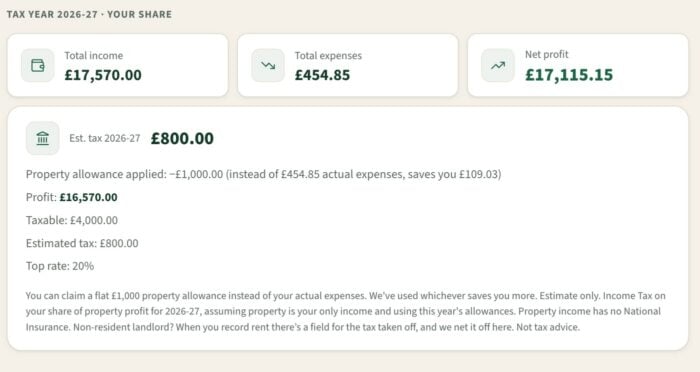
If your rental income is modest, the £1,000 property allowance may offer a simpler alternative to deducting individual expenses. You cannot claim both the allowance and actual expenses, and the allowance is not available in some situations — including where you claim the residential finance-cost tax reduction. Where both options are available, compare which leaves you with the lower taxable amount. This is where a running tax estimate earns its keep: the better option becomes obvious rather than a guess.
Why quarterly updates are changing landlord routines
The biggest mental shift is moving from one annual event to a light, repeating rhythm. Under Self Assessment, no figures had to be reported until the return was filed by 31 January — which is why so many landlords ended up doing everything in one miserable week. Under MTD, you send a summary of income and expenses four times a year, each due roughly a month after the quarter ends. A final declaration then confirms the year’s figures and claims any reliefs, due by 31 January after the tax year ends, much like the old return.
Because each update builds on records you have already kept, the work per quarter is small when things are current. For landlords who stay on top of their figures, it is closer to a ten-minute job: check the totals, approve, done. Compare that with chasing a year’s worth of missing receipts in January, and the new routine looks less like extra admin and more like the same admin spread sensibly across the year.
There is a compliance benefit, too. Errors surface within weeks rather than months, and you always have a rough sense of the tax bill building up, so January holds fewer nasty surprises. Because quarterly updates do not trigger payments, there is no cash-flow shock attached to filing them.

Simple ways to ensure HMRC compliance
Staying compliant is mostly about habits rather than expertise. The first is choosing software you will actually use. HMRC publishes a software finder on GOV.UK listing every product recognised for MTD, and it is worth picking one built for landlords rather than a general accounting package — landlord-focused tools such as Quarterwise skip the corporate jargon and match how HMRC wants rental figures organised. If you already have an accountant, tidy digital records still help, because clean figures make their year-end work quicker and often cheaper.
The second habit is keeping the rhythm small and regular. Set a monthly reminder to log rent and receipts, and let your software’s deadline alerts handle the quarterly dates. Many landlords find it easiest to fold this into their normal money routine: if you already set aside time for putting together a household budget, adding five minutes of rental admin to the same slot keeps everything current with almost no extra effort.
Finally, keep your evidence. Digital records are only as useful as the documents behind them, so keep receipts, invoices and other supporting records somewhere retrievable in case HMRC asks for them. Some landlord software can capture and store receipts alongside each expense, which makes this easier to manage.
Property tax is not getting more complicated so much as more regular. The landlords who will find the new system painless are those who stop treating tax as an annual emergency and start treating it as a small monthly habit. Pick a simple tool, record as you go, and let the quarters take care of themselves — by the time the final declaration arrives, there should be nothing left to dread.