











This guide explains yellow-line restrictions, limited exemptions and how to respond to a parking notice.
We’ll provide simple advice on:
- The rules about parking on double yellow lines.
- If you need to pay the fine.
- How to make an appeal against the parking fine.
- Possible outcomes if you don’t pay the fine.
- Ways to avoid a double yellow line fine in the future.
In 2021, Churchill Motor Insurance reported an 8% increase in penalty charge notices (PCNs) in Britain, with over 5.2 million issued.1 So you’re not alone.
Don’t worry; we’re here to guide you with useful information and examples. Let’s find out more about parking fines and what you can do about them.
Can you be fined for parking on double yellow lines?
Double yellow lines normally prohibit waiting at any time. They are not a blanket ban on every brief stop: genuine loading, unloading or passenger boarding and alighting may be permitted under the applicable order, unless another restriction prevents it.
An exemption applies only if all its conditions are met and you can support it with evidence. Parking dangerously or causing unnecessary obstruction is not permitted.
Who can fine you for parking on double yellow lines?
You’re most likely to be fined by the local council and their parking enforcement teams for parking on double yellow lines when not permitted, which is, in most cases, for most drivers.†
What happens if you get caught parked on double yellow lines?
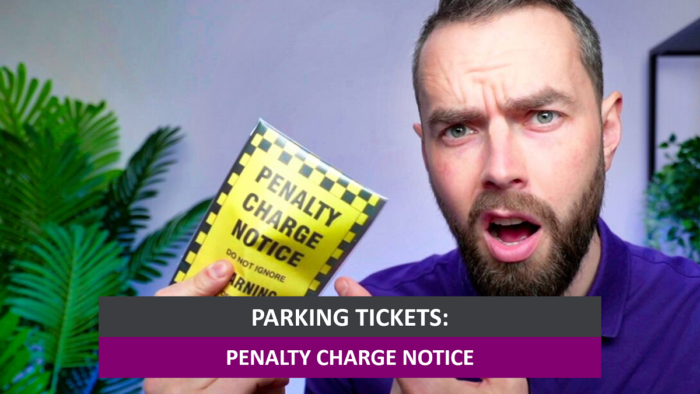
The local council can issue you a Penalty Charge Notice for the parking contravention. These might be sent in the post but will likely be served to you in person.
A council parking warden, officially known as a Civil Enforcement Officer (CEO), will leave the council parking ticket on your vehicle’s windshield.
A charge certificate can increase the penalty by 50% once the statutory conditions are met. It is not an automatic consequence of the first 28 days passing: a timely challenge or appeal affects the permitted next steps. Follow each notice’s deadline.
You could also be served with a Fixed Penalty Notice by a police officer. These are different to Penalty Charge Notices. They offer you the chance to accept a fine instead of going to the Magistrates’ Court over the matter.
Can Blue Badge holders park on any double yellow lines?
In England, Blue Badge holders can normally park on yellow lines for up to three hours if the badge and clock are correctly displayed and no loading restriction applies. Do not cause danger or obstruction; Highway Code guidance says not to park opposite or within 10 metres of a junction except in an authorised space. Central London concessions and rules elsewhere in the UK differ.
The specifics of where and how long a Blue Badge holder can park on double yellow lines can vary depending on local regulations, so it’s important to check local signage and council guidance for accurate details specific to the area you are in.
How much is the fine for parking on double yellow lines?
The amount depends on the authority, scheme and contravention date. London higher-level parking penalties are currently £160 in Band A or £140 in Band B. Other areas have their own statutory tariffs; use the amount printed on the notice.
Councils typically see parking on double yellow lines as a more serious offence compared to running out of time on paid-for parking. The cost implications of parking incorrectly are set to deter individuals from such actions. From my experience, you can therefore expect to pay the higher end of these fines.
A 50% discount commonly applies for prompt payment, often within 14 days. For example, £160 becomes £80 or £140 becomes £70; check your actual PCN and deadline. A charge certificate can add 50% only when the statutory conditions are met. A timely challenge or appeal affects the process; it is not simply an automatic increase after the original 28 days.
If you don’t pay the increased fine within 14 additional days, the council can ask for a court order that makes you responsible to pay or face debt enforcement action, such as bailiffs. Things can get a lot more expensive at this stage, so the way I see it, it’s not a good idea to let it get to this stage!
Is parking on double yellow lines a criminal offence?
Parking on double yellow lines isn’t a criminal offence.†You won’t get a criminal record or points on your license when you are served with a Penalty Charge Notice.
Can you appeal a double yellow line fine?
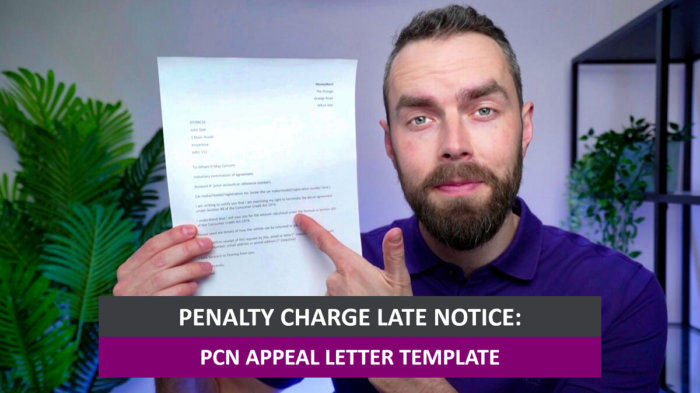
Motorists have certain legal rights when it comes to challenging fines. You can legally challenge a Penalty Charge Notice within 28 days of it being served, which is the same amount of time you’re given to pay.
But if you’re going to pay, make sure to do it within 14 days to take advantage of the discounted rate.†
You’ll need to appeal with a good reason why the PCN should be withdrawn. For example, you might tell them that your car was broken down. But this would then need to be backed up with evidence, such as a report or invoice from a mechanic.
Here you can see that this forum user on MoneySavingExpert has been issued a PCN for parking on double yellow lines and is looking for advice on whether it is worth appealing it.
If you dispute an FPN, follow its instructions for requesting court or contesting the allegation. Do not simply ignore it and wait, because the applicable process and consequences vary.
Appeal Process Steps
If you want to appeal your PCN, it’s crucial to understand the process. That’s why I’ve created this quick table that explains the steps you should follow. If you want to learn more about PCNs, don’t forget to check out our specialized guide.
Can you park on double yellow lines on Sundays and bank holidays?
Parking restrictions, like the double yellow line rule, are enforced even on Sundays and bank holidays, so you cannot park on double yellow lines on Sundays or holidays.
Does the parking ticket 5-Minute Rule apply to a double yellow line fine?
There is no general five-minute permission to park on yellow lines. England’s statutory ten-minute grace rule applies to the end of a permitted period in a designated parking place, not to prohibited yellow-line waiting.
Can you park on single yellow lines?
Single yellow lines indicate that parking is only allowed during certain hours of the day.
Single yellow lines prohibit waiting during the operating hours shown on a nearby plate or controlled-zone entry sign. Outside those hours, other restrictions may still apply.
No set time is used throughout the UK, so you’ll have to pay attention to the roadside sign in your location.
Restrictions such as a maximum stay or no-return period normally relate to a particular parking bay or scheme. Do not confuse those conditions with the operating hours of a yellow-line waiting restriction.
Make sure you are clear on these rules on a specific sign before parking there, or you could be fined. Local bylaws might have specific timings or rules regarding parking on single yellow lines, so don’t automatically presume they are all the same.
Is there a fine for parking on double yellow lines? (Quick recap)
Summary of parking rules and regulations for double yellow lines in the UK:
- Parking or waiting on double yellow lines is prohibited in most cases for most people.
- The most common exception is for Blue Badge holders, who can often park on single or double yellow lines for up to three hours.
- You can be fined for parking on double yellow lines.
- A council parking warden might issue you with a Penalty Charge Notice, or a police officer could issue you with a Fixed Penalty Notice.
- The cost of these fines differs; only a Penalty Charge Notice has a set appeals process.
- If you disagree with a Fixed Penalty Notice, you may have to attend the Magistrates’ Court.
References