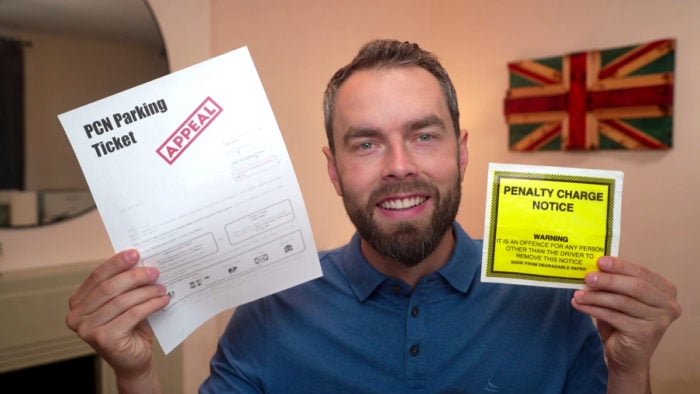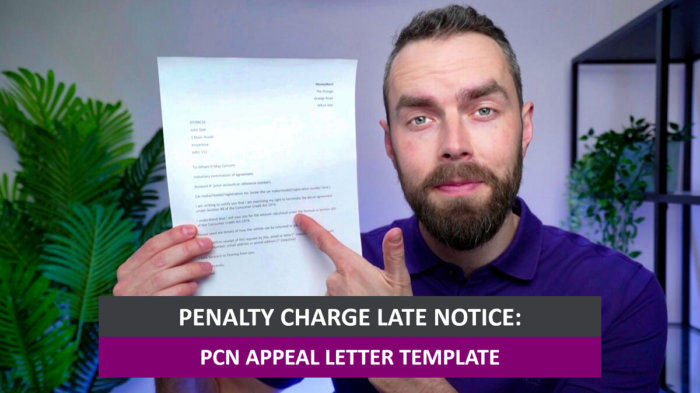









Received a Penalty Charge Notice? Check the issuing authority, alleged contravention and deadlines. The process depends on the type of notice and the jurisdiction.
Paid service: This page links to JustAnswer, a paid question-and-answer service. Check its current price, any trial, recurring subscription, renewal and cancellation terms before paying. Advice does not replace your responsibility to meet appeal or court deadlines and cannot guarantee an outcome. MoneyNerd may receive a referral fee.
In this article, we’ll talk about:
- What a Penalty Charge Notice (PCN) is
- If you must pay a PCN
- How to appeal against a PCN
- What you could get a PCN for
- What might happen if you don’t pay the PCN
Getting a Penalty Charge Notice can be a big worry. But don’t let it get you down. We’re here to help with easy-to-understand information and tips. We know what you’re going through and we’re here to make it as easy as possible for you. From understanding what PCN is, to how to appeal against one, we’ve got it all covered for you.
Let’s dive in.
Paid legal information from JustAnswer
JustAnswer is a paid third-party question-and-answer service providing general information. Its standard service does not create a solicitor-client relationship. Membership can renew automatically with recurring charges until cancelled. Check the initial price, renewal price and cancellation terms before signing up. Buying this service does not guarantee a successful challenge. See JustAnswer’s membership and cancellation information.
You can use the official challenge process without buying a paid service. If you choose to use JustAnswer, visit JustAnswer to read its service and payment terms.
Commercial link to JustAnswer. MoneyNerd may receive a referral fee. No successful outcome is guaranteed.
What is a Penalty Charge Notice (PCN)?
A Penalty Charge Notice (PCN) is a type of fine from a local council or Transport for London (TfL). They are issued to motorists for different reasons, such as parking contraventions on public land or for using a bus lane when not permitted.
A Penalty Charge Notice might be left on your vehicle when it is parked. Otherwise, it can be sent to the registered vehicle keeper in the post. The council or TfL do this by contacting the Driver and Vehicle Licensing Agency (DVLA) and requesting the address of the owner of the vehicle.
For many civil parking PCNs, the vehicle owner is liable and is presumed to be the registered keeper unless shown otherwise. Exceptions and grounds for challenge can include hire arrangements, a vehicle taken without consent or a change of ownership. Other penalty schemes have their own liability rules.
Get help understanding your options
JustAnswer offers a paid online question-and-answer service. Check the current trial price, trial length, recurring membership charge and cancellation terms before signing up. Membership renews automatically unless cancelled in line with the terms. No particular legal outcome or saving is guaranteed. MoneyNerd may receive a referral fee.
Check JustAnswer’s current terms
Is a Penalty Charge Notice a criminal offence?
Civil Penalty Charge Notices are not criminal convictions and do not add penalty points to your driving licence. They follow the relevant civil penalty process.
A Fixed Penalty Notice follows a different procedure. It generally offers a way to deal with an alleged offence without prosecution, but disputing it or not dealing with it may lead to court. Check the notice rather than assuming the PCN appeal rules apply.
What can you get a Penalty Charge Notice for?
Penalty Charge Notices are issued for:
- Parking contraventions on public land, such as not paying when you’re supposed to in a council car park or parking on double yellow lines.
- Driving or stopping in a bus lane at times of the day when you cannot use the bus lane
- Numerous other minor driving offences, such as turning in a direction at a junction which isn’t allowed, or driving a vehicle that isn’t allowed on the roads.
- Congestion offences, which are explained below.
What’s a congestion PCN?
A road-user charging PCN can be issued for failing to pay a charge such as London’s Congestion Charge, Ultra Low Emission Zone charge or Low Emission Zone charge. These are separate schemes with different rules and amounts.
Check TfL’s driving and charging guidance for the scheme, vehicle eligibility and payment deadline. Do not treat the Congestion Charge, ULEZ and LEZ as interchangeable.
Who can issue a Penalty Charge Notice?
An authority can issue a PCN only under the powers and scheme applicable to the location and contravention. Local councils and TfL have different responsibilities; not every council has every enforcement power.
Transport for London issues PCNs for contraventions that take place on London’s red routes, which are some of the most used London roads and make up around 5% of all London roads.
Your local council might employ staff to issue Penalty Charge Notices in person within council areas. They do this by handing you the PCN or by leaving the PCN on your vehicle. These workers are called Civil Enforcement Officers (CEOs).
How much are Penalty Charge Notices in the UK?
Penalty amounts and discount periods vary by scheme and location. A 50% discount is commonly available, often for 14 days, but some postal parking PCNs allow 21 days. Road-user charging penalties can be higher than parking penalties. Use the amount and deadline printed on your notice.
For London borough parking penalties, the published bands are £160 or £110 in Band A and £140 or £90 in Band B before discount. London bus lane penalties are generally £160 before discount. Other authorities and jurisdictions use different amounts. See London Councils’ current charges.
These examples don’t include the offer of a 50% reduced penalty for paying quickly.
Penalty Charge Notices from your local council!
If you want to know more about Penalty Charge Notices from a particular municipality, why not check out our location-specific posts below?
Are Penalty Charge Notices legally enforceable?
Yes, Penalty Charge Notice fines can be legally enforced by a court if you don’t pay.
In England and Wales, an unpaid civil PCN may eventually be registered at the Traffic Enforcement Centre under the statutory process. This is different from an ordinary County Court Judgment for a private parking claim. A charge certificate and further notices usually come first.
How to pay a Penalty Charge Notice
You are given multiple methods to pay a Penalty Charge Notice.
You can send a cheque in the post, but the most common methods are to pay over the phone by calling a dedicated 24/7 automated payment line or by paying online using the council’s or TfL’s website. Some councils even allow you to visit local landmarks to pay in cash, such as a council library.
Whichever way you choose to pay, you’ll need to quote your car registration number and your Penalty Charge Notice number. This is so the issuer can identify which PCN you’re paying.
What is a Penalty Charge Notice number?
A Penalty Charge Notice number is a unique identifier of your PCN. The number will be written somewhere on your PCN. Many issuers position it at the top of the notice on the left side.
If you have lost the notice or reference number, contact the issuing authority promptly using its official website. It may be able to locate the case from your vehicle details. Losing the number does not suspend the deadline. See our Lost PCN Number Guide.
Can I appeal a PCN?
Yes, you can appeal a Penalty Charge Notice.
The challenge process depends on the notice. For an on-street council parking PCN, an informal challenge is normally possible before a Notice to Owner is served. A postal PCN may instead invite formal representations from the outset. Follow the document’s instructions and deadline.
Formal representations are normally due within 28 days of service of the relevant Notice to Owner or postal PCN. There is no universal day-29-to-day-56 appeal window measured from the original contravention.
If your PCN doesn’t arrive within 28 days, that doesn’t necessarily mean you’ll be exempt from paying it, so don’t ignore it.
A Notice to Owner gives a fresh period for formal representations or payment under the applicable rules. If you miss the deadline, ask the authority whether it will consider late representations and explain why, but do not assume it must accept them.
Bus lane, moving-traffic and road-user charging schemes can use different stages. Check the specific notice rather than assuming you will receive an additional Notice to Owner.
Check the right challenge process
Check whether you need to make an informal challenge, formal representations or an independent tribunal appeal. Follow the route and deadline printed on your notice. London cases generally go to London Tribunals; relevant cases in England outside London and Wales go to the Traffic Penalty Tribunal. Other UK jurisdictions have different procedures.
General information. The procedure depends on the notice and jurisdiction. Check the issuer’s instructions.
» TAKE ACTION NOW: Get legal support from JustAnswer
How to make a formal Penalty Charge Notice appeal
A formal Penalty Charge Notice appeal is a letter or statement why you believe the PCN has been wrongfully served against you. It should include truthful reasoning and these reasons should be supported with strong evidence when possible, such as a witness statement, photos etc.
Most councils will allow you to submit your representation in writing or by using an online portal. This is often the same online portal you would use to pay your PCN. The portal might also allow you to view the evidence held against you.
If you struggle to articulate your arguments and make a good case, you might be interested in MoneyNerd’s free PCN appeal letter template. You can download this template for free and use it to submit formal representations in writing or an appeal you upload to a council website.
How long does a council have to respond to a PCN appeal?
Under England’s civil parking rules, an authority must normally serve its decision on formal representations within 56 days of receiving them. This is not a universal rule for informal challenges or every bus lane, moving-traffic or road-user charging scheme.
Where that statutory 56-day rule applies, failure to serve a decision in time normally means the representations are deemed accepted. Keep proof of submission and check the relevant rules before relying on the deadline.
What happens if I appeal a Penalty Charge Notice and lose?
After rejection of formal representations, the Notice of Rejection explains the next options. An informal rejection normally comes before the tribunal stage. The formal options generally include:
- accept the council or TfL’s decision and make the payment, or
- escalate your appeal to an independent tribunal
If your PCN was issued in Wales or England but outside of London, you must escalate the appeal to the Traffic Penalty Tribunal.
If the PCN was issued within London, you must use the appeal service offered by London Tribunals.
You can escalate a PCN received from a council in Scotland to Scotland Tribunals.
The named adjudicator can allow or refuse the statutory appeal. Use the service and deadline on the actual rejection rather than choosing a tribunal solely from the location.
Legal information through JustAnswer
JustAnswer is a paid third-party question-and-answer service providing general information. Its standard service does not create a solicitor-client relationship. Membership can renew automatically with recurring charges until cancelled. Check the initial price, renewal price and cancellation terms before signing up. Buying this service does not guarantee a successful challenge. See JustAnswer’s membership and cancellation information.
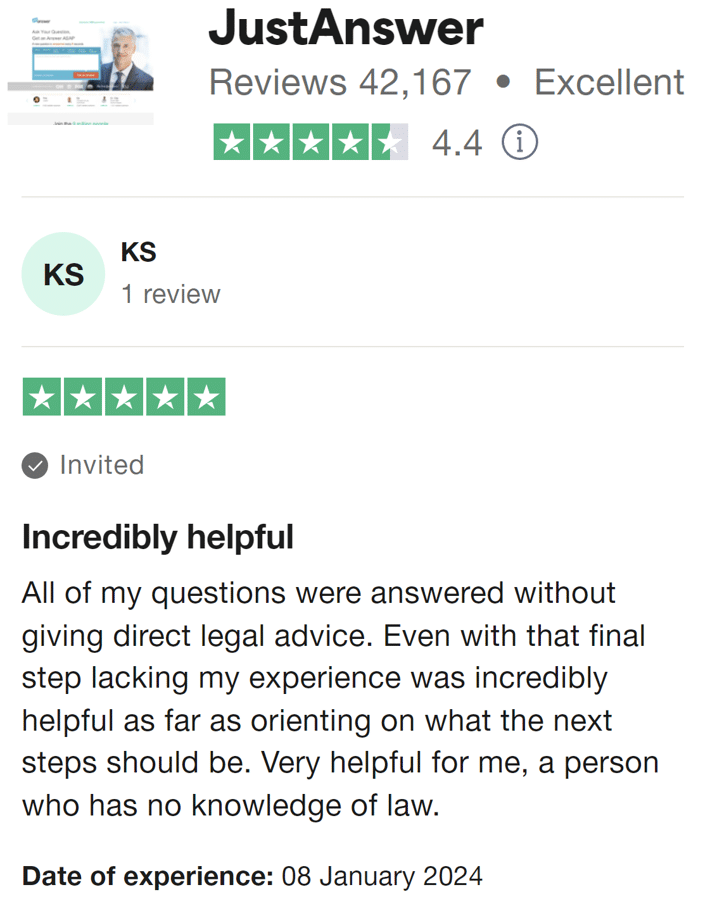
Historical JustAnswer review image. The displayed rating and review total are not live. Reviews do not predict your case outcome. Membership fees and renewal terms apply.
What happens if the PCN has the wrong vehicle registration number?
An incorrect vehicle registration can be a material defect or indicate that the notice concerns another vehicle. Do not assume you must pay despite the error. Check the evidence and challenge within the stated deadline if the notice is wrong.
But before you pay, we have provided some guidance on what to do in this situation on our Wrong Registration Number PCN Guide.
What happens if you don’t pay a PCN?
The authority may issue a charge certificate when the statutory conditions are met. Timely representations and appeals affect that process; it is not automatically issued after the first missed date.
This is a notice that your fine has been increased by 50% and a new deadline to pay has been instated. The new deadline is usually 14 days later.
If you still don’t pay, the PCN issuer will register the fine as a debt with the court, which will then order you to pay using an Order of Recovery. You’re typically given 21 days to pay at this point and small court costs will be added.
If the Order for Recovery remains unresolved, a warrant and enforcement-agent action may follow. A witness statement or statutory declaration is available only where the relevant specified ground is true.
Can bailiffs force entry for parking fines?
For an ordinary PCN debt, an enforcement agent cannot normally force entry to a home on a first visit. Limited exceptions, including lawful re-entry concerning controlled goods, can apply. Entry and seizure powers have safeguards and exemptions; an ordinary collector has no such powers.
For enforcement in England and Wales under the current rules, a Notice of Enforcement normally must give at least 14 clear days before goods can be taken. An eligible request made by a debt advice provider before that period expires extends the minimum to 28 clear days. A court can permit shorter notice, and enforcement action taken before 1 May 2026 is subject to the saving provision. Get free debt advice promptly if enforcement is threatened.
Can you check for a PCN online?
Unfortunately, there isn’t a simple way to check if you have an outstanding Penalty Charge Notice online.
The only way to check if you have a PCN will be to contact the local authority you think might have issued a PCN against you and ask.
Will a PCN affect my credit score?
A civil PCN registered at the Traffic Enforcement Centre does not become an ordinary County Court Judgment and is not entered on the register of judgments in the same way. This differs from a private parking company obtaining a CCJ. Enforcement and additional costs can still follow non-payment.
Is PCN a fixed penalty?
A Penalty Charge Notice isn’t the same as a Fixed Penalty Notice. A Fixed Penalty Notice is usually issued by the police, but they can be served by local authorities for environmental crimes.
If you received an FPN instead of a PCN, you will need to head back to our council and police fines page to find information relevant to you!
What is the difference between a Fixed Penalty Notice and a Penalty Charge Notice?
The main difference between a Penalty Charge Notice (PCN) and Fixed Penalty Notice (FPN) is that a PCN is a legally enforceable fine and an FPN is a conditional offer to avoid prosecution in court.
They’re also predominantly issued by different groups for different types of offences.
Do you have to pay a PCN on private land?
Ordinary private parking companies normally issue contractual Parking Charge Notices. A similarly abbreviated Penalty Charge Notice follows a statutory scheme. Land ownership alone is not a reliable way to identify the procedure, so check the issuer and wording. See the differences between the two notices.
Will a penalty charge notice affect the cost of my car insurance?
An ordinary civil parking PCN is not a motoring conviction and does not add licence points. Answer an insurer’s questions accurately and check your policy’s notification terms. Do not assume a Fixed Penalty Notice or conviction is treated the same way. See our guide to PCNs and insurance.
Before using a paid legal information service
JustAnswer is a paid third-party question-and-answer service providing general information. Its standard service does not create a solicitor-client relationship. Membership can renew automatically with recurring charges until cancelled. Check the initial price, renewal price and cancellation terms before signing up. Buying this service does not guarantee a successful challenge. See JustAnswer’s membership and cancellation information.
A paid service is optional. Gather your notice and evidence, check the deadline and decide whether you need professional advice about your circumstances.
Commercial link to JustAnswer. MoneyNerd may receive a referral fee. Check all charges and cancellation terms before signing up.