

















Understanding Financial Pressure During Study
Higher education often requires students to balance coursework, deadlines, part-time employment, and everyday living expenses. Essays, projects, presentations, and exams can create periods of intense workload, particularly when multiple deadlines occur at the same time.
In response, some students explore external academic support services. These services may offer assistance with editing, proofreading, structuring written work, or preparing presentations. While these services are widely advertised online, paying for them is a financial decision that should be approached carefully.
For students managing tight budgets, the main consideration is affordability. Any discretionary spending — including academic support — should be weighed against essential living costs such as housing, food, and study materials.
Considering the Financial Impact of Paid Academic Support
Before paying for external assistance, it can be helpful for students to consider a few practical questions:
- Is the service necessary, or could free support be used instead?
- Will the cost affect essential spending such as rent or bills?
- Is the payment being made using savings or borrowed money?
Many universities provide free academic resources including writing centres, tutoring programmes, and study skills workshops. These services can often provide guidance on structuring essays, improving research techniques, and developing presentation skills without creating additional financial commitments.
External services may still be considered by some students, but they should be treated as optional spending rather than a routine academic solution.
Budgeting for Optional Academic Services
Students who decide to use paid services may find it useful to set clear limits on spending.
Review Income and Essential Costs
Start by identifying monthly income sources such as part-time work, student finance payments, or family support. Then list essential expenses including rent, transport, food, and course materials.
Only the remaining discretionary portion of a budget should be considered for optional services.
Avoid High-Cost Borrowing
Using credit cards or high-interest borrowing to pay for non-essential services can increase financial pressure over time. Students may benefit from avoiding credit-funded purchases for optional academic assistance.
Maintaining financial stability during study can reduce stress and prevent longer-term repayment problems.
Evaluating Academic Support Platforms
A number of websites advertise academic assistance services. These platforms differ in pricing structures, services offered, and transparency about costs.
Before paying for any service, students should review:
- Upfront pricing information
- Policies for revisions or refunds
- The scope of services being offered
- Whether the service complies with their institution’s academic integrity rules
Below are examples of commonly referenced platforms that students may encounter when researching academic assistance online.
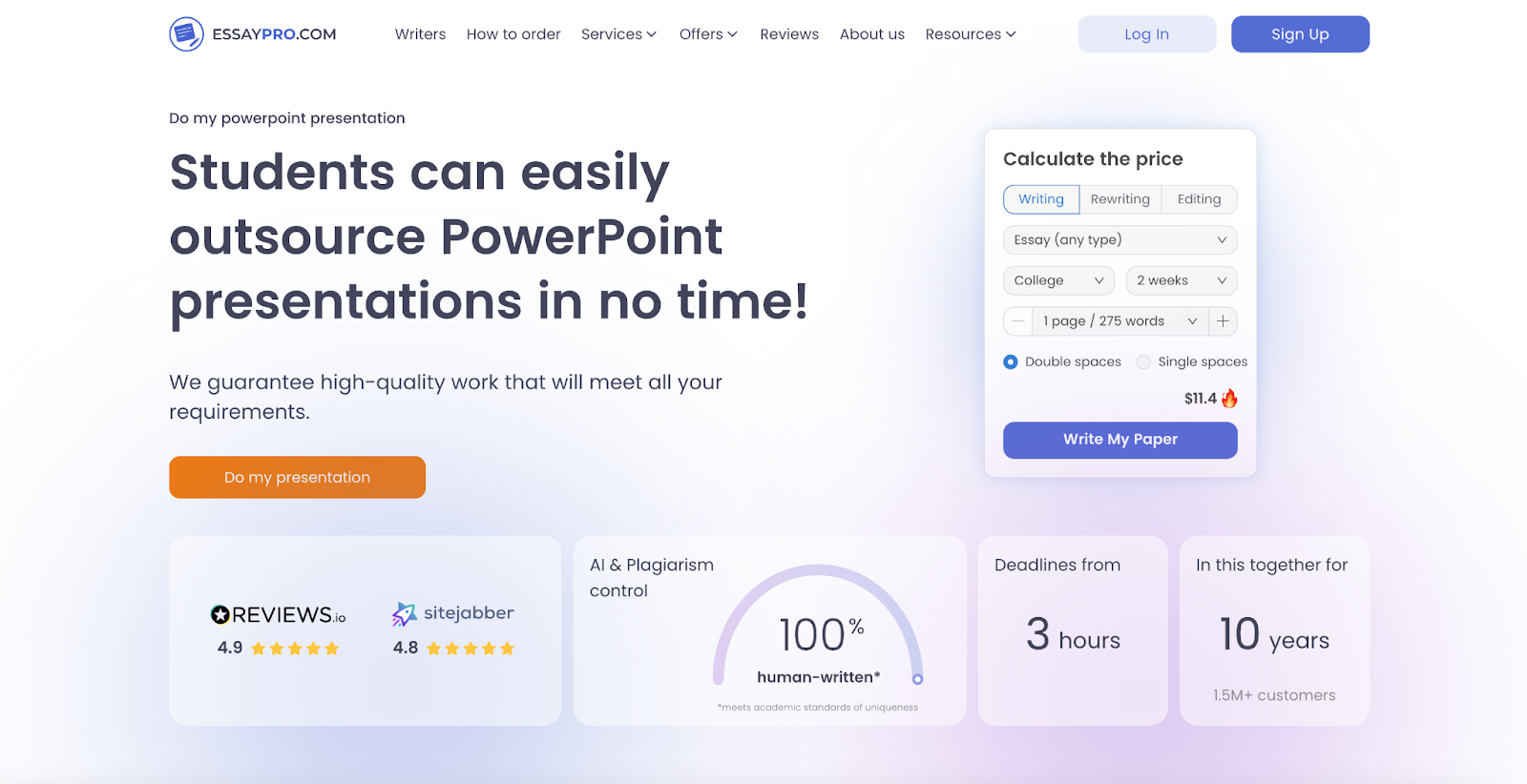
EssayPro
EssayPro is an online platform that connects students with freelance academic writers. The service advertises assistance with a range of academic tasks, including essays, research papers, and other written assignments.
Some marketing materials also reference support for presentation projects, where individuals may request help to do my PowerPoint today when approaching a deadline.
Students considering platforms like EssayPro should review the pricing structure carefully, as costs may vary depending on factors such as the subject area, assignment length, and delivery timeframe. Urgent deadlines or specialist topics may increase the overall price.
It is also important to ensure that any assistance obtained complies with university academic integrity policies.

WritePaper
WritePaper is another academic assistance platform that offers customised writing services. The site allows students to select writers based on experience or subject expertise, and assignments are typically priced according to complexity and deadline requirements.
Promotional content for the platform sometimes includes phrases such as WritePaper can do my assignment, referring to the availability of custom writing services.
As with any paid service, students should review whether the cost fits within their budget and ensure that they understand how the service operates before making a payment. Transparent pricing and clear communication with the service provider are important factors when evaluating any online academic platform.
Students should also verify that the type of assistance being requested is permitted under their university’s academic conduct rules.
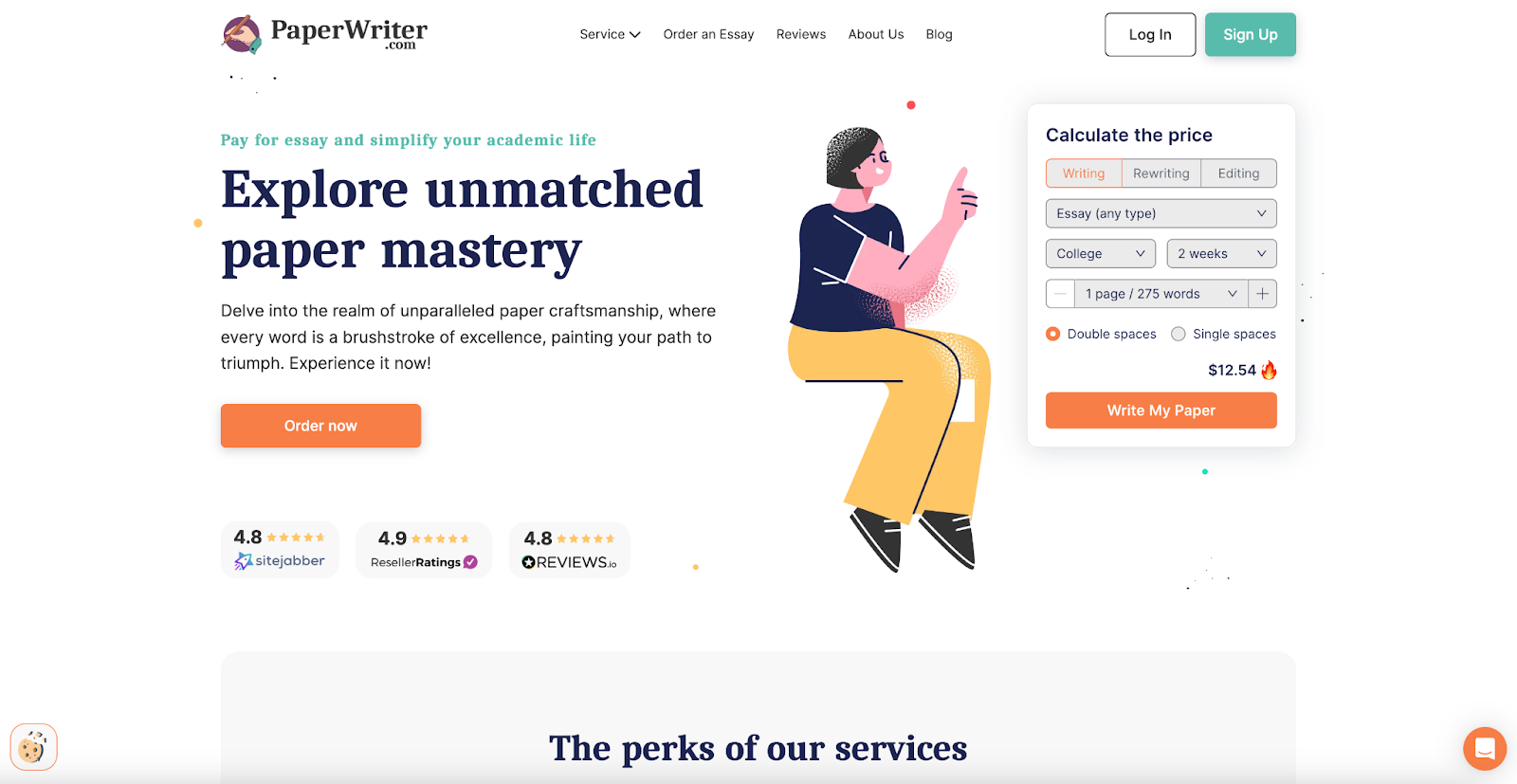
PaperWriter
PaperWriter is often presented as a user-friendly platform for students exploring academic writing assistance for the first time. The site advertises services that include essays, research papers, and editing support.
Some online listings mention that students may pay for essay at PaperWriter if they are seeking structured writing support for coursework.
Before using services like this, students should review all fees carefully, including potential additional charges for faster delivery or revisions. Even when initial pricing appears low, optional features or tight deadlines can increase the final cost.
As with other platforms, the affordability of the service and compliance with academic integrity requirements should be considered before making any purchase.
Academic Integrity and Institutional Rules
Students should always check their university’s academic integrity policies before using external services. Many institutions allow certain forms of support, such as proofreading or tutoring, but prohibit submitting work written by someone else.
Understanding these rules helps prevent both academic misconduct issues and unnecessary financial loss if a service cannot be used in accordance with institutional guidelines.
Protecting Financial Wellbeing During Study
Academic support services are one of many discretionary expenses that students may encounter during higher education. Protecting financial wellbeing during study often involves prioritising essential spending and avoiding unnecessary financial commitments.
Practical steps include:
- Using free university learning support resources first
- Setting limits for discretionary spending
- Avoiding credit-funded purchases for non-essential services
- Reviewing budgets regularly to maintain affordability
Conclusion
Some students explore paid academic assistance during periods of heavy workload. However, these services should always be treated as optional expenses rather than essential academic tools.
By budgeting carefully, reviewing costs in advance, and understanding university policies, students can make more informed financial decisions while managing their coursework and maintaining financial stability during their studies.