






MoneyNerd introduces enquiries to The Debt Advice Service and may receive a referral fee. For free, independent guidance and help finding a debt adviser, visit MoneyHelper.
This information and enquiry service is not a full financial assessment or a guarantee of suitability or debt write-off. Debt solutions are not suitable for everyone. Fees may apply, and your credit record and assets may be affected. Get advice on your circumstances before choosing a solution.



A Debt Management Plan (DMP) is an informal arrangement to repay eligible non-priority debts at an affordable rate. This guide explains how it works, its costs and risks, and where to get free debt advice.
We’ll explain:
- What a DMP is and how you can get one.
- What to do if you’re worried about your debts.
- How a DMP works and how long it might last.
- What could affect the length of your DMP, and what happens when it ends.
- The pros and cons of a DMP, and how it might affect your credit file.
MoneyNerd publishes general information and does not provide debt advice or recommend debt solutions. A debt adviser can assess your circumstances and explain whether a DMP or another option is suitable.
Some people in our team have dealt with debt too, so we know what it’s like and we’re here to share our knowledge and experience with you.
A DMP normally aims to repay the debts included in it in full. It does not itself write off debt or guarantee that creditors will stop interest or enforcement.
What is a Debt Management Plan?
A Debt Management Plan (DMP) is a non-legally binding debt solution used to pay back multiple non-priority debts through an ongoing single monthly repayment.
It is used when you cannot afford to pay back your unsecured debts as initially agreed so need to agree on a lower repayment with creditors to avoid arrears or worsening arrears.
Sometimes a Debt Management Plan will freeze the interest on repayments, making repayments even more affordable.
What is an Informal Debt Management Plan?
An informal Debt Management Plan is the same as a Debt Management Plan. A DMP is an informal debt solution, which means it’s not legally binding to either the debtor or creditors.
This is why they’re sometimes called an Informal Debt Management Plan. However, there is no such thing as a formal Debt Management Plan. A comparable formal debt solution is an IVA.
You can read about IVAs and other debt solutions by hopping back to our debt solution hub.
How does a Debt Management Plan work?
A Debt Management Plan works by the debtor agreeing to pay a single monthly repayment which is then split between multiple creditors. The way the payment is divided between creditors could be based on how much you owe each of them.
Most of the time, the DMP is set up by a third-party company or debt charity (more on this later!)
As part of the Debt Management Plan, it’s encouraged for creditors to freeze interest on the debt and any other charges to help the debtor pay off their debts over a reasonable time without causing financial hardship.
A DMP usually continues until the debts included in it have been repaid, unless it is ended or replaced by another arrangement.
A DMP is not legally binding. Creditors may refuse reduced payments, continue interest and charges or take legal action, even if you are keeping up with the proposed payments. Tell your provider promptly about any court papers or enforcement notices.
For a greater understanding of how they work, consider reading our Debt Management Plan example.
Understand your debt options
MoneyNerd can introduce you to The Debt Advice Service for free debt advice. MoneyNerd does not provide debt advice or recommend debt solutions.
The Debt Advice Service can explain your options, including their benefits, costs and risks. Options available depend on your circumstances. There’s no obligation to take a debt solution.
MoneyNerd does not provide debt advice or recommend debt solutions. The Debt Advice Service is a trading style of Pacific Financial Solutions Limited. If you request an introduction, we’ll share your details with their team so they can contact you.
Some debt solutions have fees and may negatively affect your credit rating. MoneyNerd is a commercial introducer and may receive a fee if you go ahead with a debt solution through The Debt Advice Service.
For free, impartial money guidance and help finding free debt advice, visit MoneyHelper.
Request an introduction to The Debt Advice Service for free debt advice. MoneyNerd does not provide debt advice.
Debt Management Plan criteria
There is no single statutory eligibility test for a DMP. A provider will check your income, essential spending, priority commitments and eligible debts to assess whether sustainable repayments are possible.
That being said, it will be up to your creditors to agree to or reject your DMP proposal.
Creditors consider the proposed payments and your circumstances. A budget and accurate debt information help explain what you can afford, but acceptance is not guaranteed.
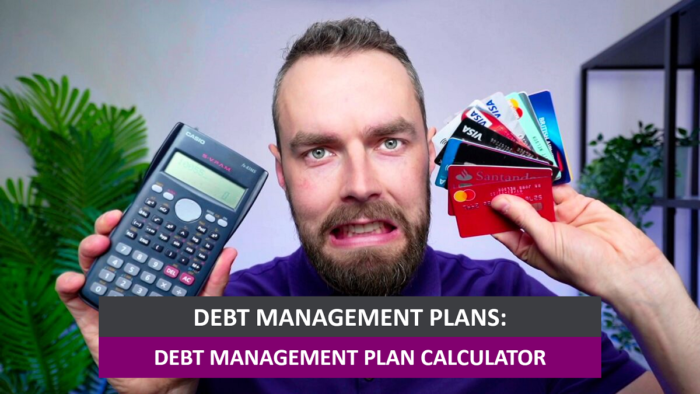
Debt management plan calculators will help during part of preparing an application.
Last but not least, you should check that a DMP is the best option for you. It might be the case that other debt solutions will be more advantageous and could even write off your debts, such as a Debt Relief Order (DRO).
Can I get a Debt Management Plan if I’m in Scotland?
You can consider a Debt Management Plan if you live in Scotland, but you might want to consider a Debt Arrangement Scheme instead.
This debt solution is exclusive to Scottish residents and works similarly to a DMP. A key difference is that it’s legally binding, so your creditors cannot change their mind. But neither can you without consequences.
Take the first step towards tackling your debt
Every day, our partner, The Debt Advice Service, helps people understand their options for dealing with debt. Their debt advice is free, with no obligation to proceed.
MoneyNerd introduces you to The Debt Advice Service. We do not provide debt advice or recommend debt solutions.

Natasha
Very helpful and informative thank you
If you submit the enquiry form, MoneyNerd will share your details with The Debt Advice Service so they can contact you.
Some debt solutions have fees and may negatively affect your credit rating. MoneyNerd may receive a fee if you go ahead with a debt solution through The Debt Advice Service.
The Debt Advice Service is a trading style of Pacific Financial Solutions Limited.
For free, impartial help and access to not-for-profit debt advice, visit MoneyHelper.
Can I get a Debt Management Plan if I’m self-employed?
Self-employed people can ask for a Debt Management Plan, but proving their exact level of income can be more complicated.
Consult our self-employed DMP guide for support if you’re a sole trader considering a DMP.
How long can you be on a Debt Management Plan?
Debt Management Plans usually last until your debts have been repaid.
What could affect the length of my Debt Management Plan?
The length of time this will take depends on multiple factors, including the size of your debts, the amount you can afford to repay each month and whether interest has been frozen or not.
If a DMP would take many years, ask a debt adviser to compare it with other options, including their eligibility requirements, costs, restrictions and risks.
Payment holidays could also affect the duration of the DMP. A DMP payment holiday is an agreement between you and your creditors included in the DMP to not have to make monthly payments for a fixed period.
For example, this could be granted if you lose your job to give you some short-term respite without causing the DMP to fail.
What happens when a Debt Management Plan (DMP) ends?
When a Debt Management Plan ends and you’ve repaid all of your debt, nothing else will happen. You’ll be free from the debt included in the DMP and shouldn’t be contacted by any of those creditors again or asked to pay any more.
When the DMP ends because the creditor withdrew from the agreement – possibly because you missed DMP payments – the creditors you still owe can chase you for payments again. You can choose to make full repayments again if possible.
They might use debt collection agencies (not bailiffs!) or send legal threats. They could even take you to court and ask a judge to force you to pay via a court order.
Do I have to include all debts in a Debt Management Plan?
Tell your debt adviser about all your debts, but only eligible non-priority debts belong in a DMP. These can include credit cards, overdrafts and unsecured personal loans.
Priority commitments such as rent, mortgage payments, council tax and court fines need separate treatment. Your adviser should account for these before calculating DMP payments and explain how eligible creditors will be treated fairly.
What is a debt management company?
A debt management company is a commercial business that will help you set up a Debt Management Plan with your creditors and hopefully get them to cancel the interest applied to your debt.
They will take care of all negotiations directly with your creditors so you don’t have to. You will need to provide the company with your monthly budget and evidence of financial information for them to work for you.
Some commercial DMP providers charge fees, which reduce the amount reaching creditors and can extend repayment. Fee-free DMPs are available from organisations such as StepChange and PayPlan, where a DMP is suitable. Compare the service and all charges before agreeing.
Where can I find Debt Management Plan reviews?
Check out our DMP company reviews, it’s best to use forums and read other people’s genuine experiences.
We’ve listed the three best forums to find DMP company reviews to help you research diligently.
Can I set up a debt management plan directly with my creditors?
You don’t have to use a debt management business to set up a Debt Management Plan. You can set one up directly by communicating with your creditors and providing them with a proposal. This is also known as a DIY Debt Management Plan.
You can negotiate affordable payments with creditors yourself without paying a DMP provider. Alternatively, a fee-free provider can help assess your budget and manage an appropriate plan. Paying a fee does not guarantee a better result.
MoneyNerd has also made it easier for you to complete a DIY DMP with our DMP proposal letter template. Download this template and add your details to make a compelling case to your creditors.
You can find free, confidential debt advice through MoneyHelper’s debt advice locator. An adviser can explain fee-free DMPs and other options.
How to apply for a Debt Management Plan
If you’re not using a debt management company or a debt charity to apply for a DMP, you will need to contact all of your creditors separately to ask if they will accept your DMP proposal.
You should contact them to ask for the DMP by providing a detailed breakdown of your monthly budget and essential living costs, including all debt repayments you have to make.
You’ll still need to provide this information when you use a debt management company or debt charity to apply for a DMP, but you’ll be submitting it to the company or charity instead of directly to multiple creditors. In these cases, you might be able to submit your DMP documents online.
What expenses are included in a Debt Management Plan?
As part of the DMP application, you will need to outline your essential expenses. These are expenses that you need to maintain a reasonable standard of living or to stay employed. For example, rent, groceries and fuel to drive to work or other transport costs are considered as DMP expenses.
What to do if creditors refuse a DMP
If creditors refuse your DMP, you could make a second proposal submitting more evidence showing how the proposal is the best possible solution and how you’re doing your best to repay. Or you could consider different debt solutions.
More information and support are provided in our DMP refusal guide.
How long does it take to set up a Debt Management Plan?
Most Debt Management Plans can be set up within two to three weeks. Some complications can extend the DMP approval timeline.
Are Debt Management Plans a good idea?
Debt Management Plans can be a good idea for some debtors, but it all depends on individual circumstances. There are times when other solutions should be used over a DMP, such as if the debts are so significant they will take a long time to repay using a DMP.
Debt Management Plan Pros and Cons
The pros and cons of DMPs should be understood before applying. The benefits of using a DMP are:
- Streamline multiple debt repayments with single monthly payments
- You only make affordable repayments, based on your essential household expenses
- Your DMP can be frequently reviewed so your repayments are always affordable
- Some creditors will agree to freeze interest and charges during the DMP
- It is possible to set up a DMP with some charities for free
But keep in mind these drawbacks of using a DMP:
- Creditors are not forced to stop applying interest and charges
- A DMP could make your total debt repayment more expensive if interest and/or charges continue
- Reducing payments for a long period can further reduce your credit score
- Creditors are not forced to accept lower repayments and may still send you letters
- Creditors can still escalate the debt, such as asking for a County Court Judgment (CCJ)
Will a DMP show on a credit file?
A DMP can affect your credit record because you may pay less than originally agreed. Creditors may record reduced payments, arrangement markers or defaults against individual accounts.
How long will a Debt Management Plan stay on a credit file?
A default normally stays on your credit file for six years from its default date. Other account information can remain for six years after the account closes. There is no single six-year countdown starting when a DMP begins, and the impact can continue after the plan ends.
Can a Creditor Get a CCJ Against Me While I’m in a DMP?
Because a DMP is an informal debt solution with no legal weight, creditors could still choose to abandon the DMP agreement and ask a judge for a CCJ to force you to pay.
Keeping up agreed payments may help, but it does not give legal protection against a claim. Contact your provider or a free debt adviser promptly if a creditor threatens court action.
Can a Debt Management Plan stop bailiffs?
A DMP does not automatically stop bailiffs or existing court enforcement. If enforcement is threatened or already underway, seek urgent debt advice and follow the deadlines on any notices.
However, there are no guarantees with this informal debt solution. Creditors could change their mind and try to recover the money with a CCJ and then ask a court to use bailiffs.
Is it possible to get a credit card while in a Debt Management Plan?
You can technically apply for a credit card while using a Debt Management Plan but the credit card lender will need to check your credit file, which could result in a rejection.
Moreover, it’s not advisable to take out more credit while you’re struggling to repay existing debts.
Can I get a mortgage with a Debt Management Plan?
It will be harder to get a mortgage if you have an active Debt Management Plan, but it’s not impossible.
You can read more about this on our DMP mortgage page.
Can you get a joint Debt Management Plan?
Yes, you can get a joint DMP, which may be useful if you have multiple lines of credit with the other person. Interestingly, you can add single debts to a joint DMP as well, as long as the other person agrees to this.
How will my Debt Management Plan affect my partner?
Partners are not often affected by their spouse taking out a DMP in their name. DMPs are only used on unsecured debts, so joint mortgages won’t be included within the DMP.
Of course, some situations can be more complicated. We discuss this topic in further detail in our Will a DMP Affect my Partner? blog.
Debt Management Plans vs Bankruptcy – Which Is best?
A DMP and bankruptcy have different costs, consequences and eligibility requirements. Whether either is suitable depends on your debts, income, assets, employment and circumstances. The ability to make some repayments does not by itself make a DMP the better option.
DMPs and bankruptcy are vastly different so they’re not easy to compare.
Debt Relief Order vs Debt Management Plan – Which Is best?
A Debt Relief Order and a DMP work differently. A DRO may write off included qualifying debts after the usual 12-month period if its conditions are met. Eligibility depends on the relevant jurisdiction and your circumstances; excluded debts remain payable.
Debt Management Plan (DMP) vs IVA? – which Is best?
An IVA is similar to a DMP but it’s a formal legally-binding debt solution. An IVA might be more suitable for some people. Work out what you should do by speaking with a debt charity and reading our DMP vs IVA guide.
What’s the difference between a Debt Management Plan and Debt Settlement?
Debt settlement involves asking a creditor to accept an agreed lump sum in settlement of a debt. Acceptance and the amount depend on the circumstances; there is no standard discount. Get written confirmation of the settlement terms before paying.
Will a Debt Management Plan (DMP) affect my job?
A DMP does not usually affect your job. However, some employment contracts or professional rules require disclosure of financial difficulties or repayment arrangements. Check the rules for your role, particularly in financial services. Read more about DMPs and employment.
Does a Debt Management Plan (DMP) affect renting?
In general, a DMP shouldn’t significantly decrease your chances of finding a new place to rent. But there can be some complications if your credit score is checked as part of the rental application. Find out further details here.