







The Backbone of Smart Money Management: Building a Budget That Works









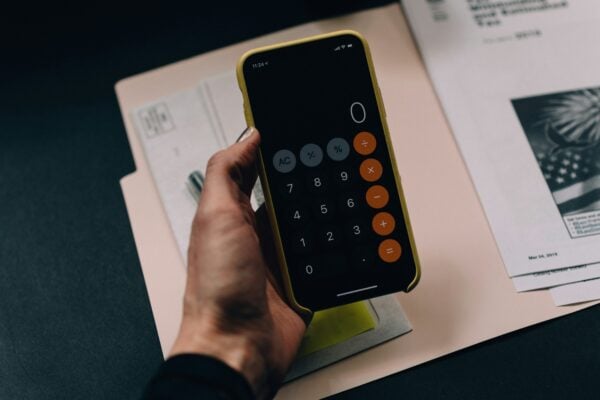
Managing personal finances can feel overwhelming, but a well-planned budget provides clarity, control, and peace of mind. It helps you meet needs, achieve goals, and still make room for enjoyable activities like hobbies and leisure.
Why Budgeting Matters
Budgeting is about knowing where your money comes from and where it goes. It prevents overspending, reduces stress, and supports better financial decisions. A good budget doesn’t mean cutting out pleasures—it allows you to allocate funds intentionally for hobbies, entertainment, and social activities.
For example, if you enjoy online gaming, set aside a portion of your budget for safe play. Some players explore UK casinos not on GamStop in 2025, taking advantage of international promotions and bonuses to extend their entertainment without overspending.
Starting With Your Income
Begin by calculating all sources of income—wages, pensions, benefits, rental income, or irregular earnings. Using an average monthly figure ensures your budget is realistic and prevents overspending.
Tracking Your Spending
Take the time to examine your expenses carefully. Include regular costs like rent, utilities, groceries, and insurance, as well as occasional expenses like annual subscriptions, vehicle maintenance, or gifts.
Tracking habits helps identify patterns, uncover areas for adjustment, and reveals how much you currently spend on hobbies and leisure.
Categorise Expenses
Divide expenses into categories such as housing, food, transport, healthcare, entertainment, savings, and debt repayments. Fixed expenses remain fairly consistent, while variable expenses fluctuate. Including hobbies and leisure ensures these joyful activities are accounted for and controlled.
Set Realistic Spending Limits
Assign limits for each category, aligned with priorities. Budgeting isn’t about deprivation—it’s about balance. Allocating a reasonable amount for leisure keeps motivation high and helps maintain sustainable financial habits.
Build in Savings
A savings plan is essential. Experts recommend maintaining an emergency fund covering three to six months of living costs for unexpected setbacks. Automating savings ensures consistency, while also supporting leisure goals such as special trips, new hobby equipment, or courses.
Prepare for Irregular Expenses
Include a contingency fund for unpredictable costs like car repairs, medical bills, or home maintenance. This avoids the stress of scrambling for funds during emergencies.
Monitor and Adjust Regularly
Life changes, and so should your budget. Regular reviews allow adjustments to spending limits, savings goals, and priorities while keeping your overall financial picture balanced.
Use Technology to Your Advantage
Budgeting apps and online tools simplify tracking, categorisation, and insights. Linking bank accounts and credit cards offers real-time updates, helping you see clearly how much you’re spending on both essentials and enjoyable activities.
Conclusion
A solid budget is the foundation of financial freedom. By understanding your income, tracking expenses, setting realistic limits, and saving regularly, you gain control and confidence. Budgeting ensures that hobbies and leisure activities remain part of your life without compromising financial stability.
Ultimately, budgeting is about freedom—the freedom to live comfortably, pursue passions, and build a secure future.