CST Law Letter Before Claim – What You Should Know


Have you received a CST Law Letter Before Claim (LBC) for a private parking fine and are unsure what to do next?
You’re not alone! Every month, more than 130,000 people visit our website for help with fines and parking tickets.
In this article, we’ll help you understand:
- What a CST Law LBC is
- If you need to pay CST Law parking fines
- If you can ignore CST LBC
Which? found that unclear rules and the different payment methods in private car parks contribute to the increase in fines.1 But don’t worry; we’re here to help you navigate through this confusion.
Let’s get started!
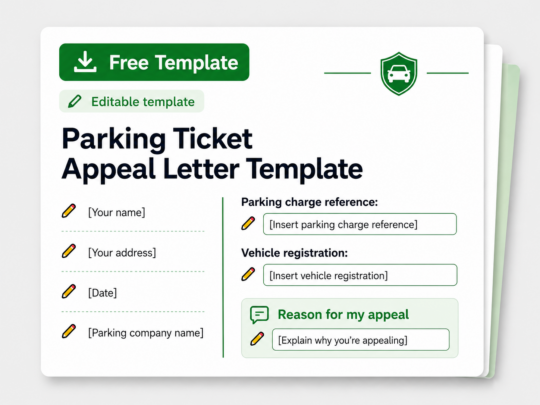
Not sure what to write in your parking appeal?
The form asks for contact details to deliver your free MoneyNerd template.
Add your notice details, reasons for disputing the charge and relevant evidence.
General information, not legal advice. Follow your notice’s instructions and deadlines; adapt the wording to your circumstances. No outcome is guaranteed.
Do you have to pay a parking fine?
A private Parking Charge Notice is a claim under contract law, rather than a council penalty or criminal fine. A valid charge can be owed before court proceedings start. It is incorrect to assume that you only have to pay if a judge orders it.
Check the notice, the signs and what happened. Pay by the stated deadline if you accept the charge, or use the operator’s appeal process if you dispute it. Ignoring it can lead to a court claim and additional costs. A court decides a disputed claim; the operator does not automatically win.
Paid legal information: Continue to JustAnswer
Advertisement. Paid general legal information from JustAnswer. Memberships renew automatically until cancelled. Check the initial price, renewal price, billing interval and cancellation terms. The standard service does not create a solicitor-client relationship. No successful outcome is guaranteed. MoneyNerd may receive a referral fee.
What’s an LBC?
A Letter of Claim is a formal warning that a court claim may follow. Check who the solicitor represents, the original parking operator, the dates, the amount and the documents supporting the claim. A solicitor’s letter is not itself a judgment.
For a business claiming a debt from an individual in England and Wales, the Debt Claims Protocol normally allows 30 days to return the reply form. Say whether you dispute the debt, request missing evidence and explain if you are obtaining debt advice. Keep copies. Do not treat it as a bluff or send a generic evidence request in place of answering actual court papers.
If you agree you owe the debt but cannot afford it, seek free debt advice and discuss an affordable arrangement. If you dispute it, set out the reasons. Further court documents have separate response deadlines.
What to include in your parking appeal
The form asks for contact details to deliver your free MoneyNerd template.
Include the notice reference, your reasons, supporting evidence and the action you want the issuer to take.
The correct process depends on the notice and where it was issued.
General information, not legal advice. Follow your notice’s instructions and deadlines; adapt the wording to your circumstances. No outcome is guaranteed.
What is the Letter For?
A CST Law Letter Before Claim (LBC) is therefore a letter sent by CST Law on behalf of their client, which may be a private car park operator, such as CPS, chasing an unpaid private parking fine.
But it could also be for another of CST Law’s clients chasing other unpaid debts.
Treat a formal Letter of Claim as a genuine warning of potential court proceedings and respond with your position and any request for documents.
A letter does not prove that the debt is valid, but ignoring it can leave you poorly placed to respond if a claim follows.
Have you received one?
Check that the letter relates to your vehicle and the correct incident. Ask for the parking notice, relevant photographs, the terms relied on and a breakdown of the amount if these are missing. Respond within the stated protocol deadline, explaining whether you dispute the claim.
A request for evidence does not automatically cancel a charge, and it does not replace a response to court papers. Keep a copy of all correspondence and seek free debt or legal advice if needed.
Can you ignore it?
Do not ignore a Letter of Claim. Take the threatened proceedings seriously and respond with your position and any request for documents. If actual court papers arrive, follow their separate instructions and deadlines.
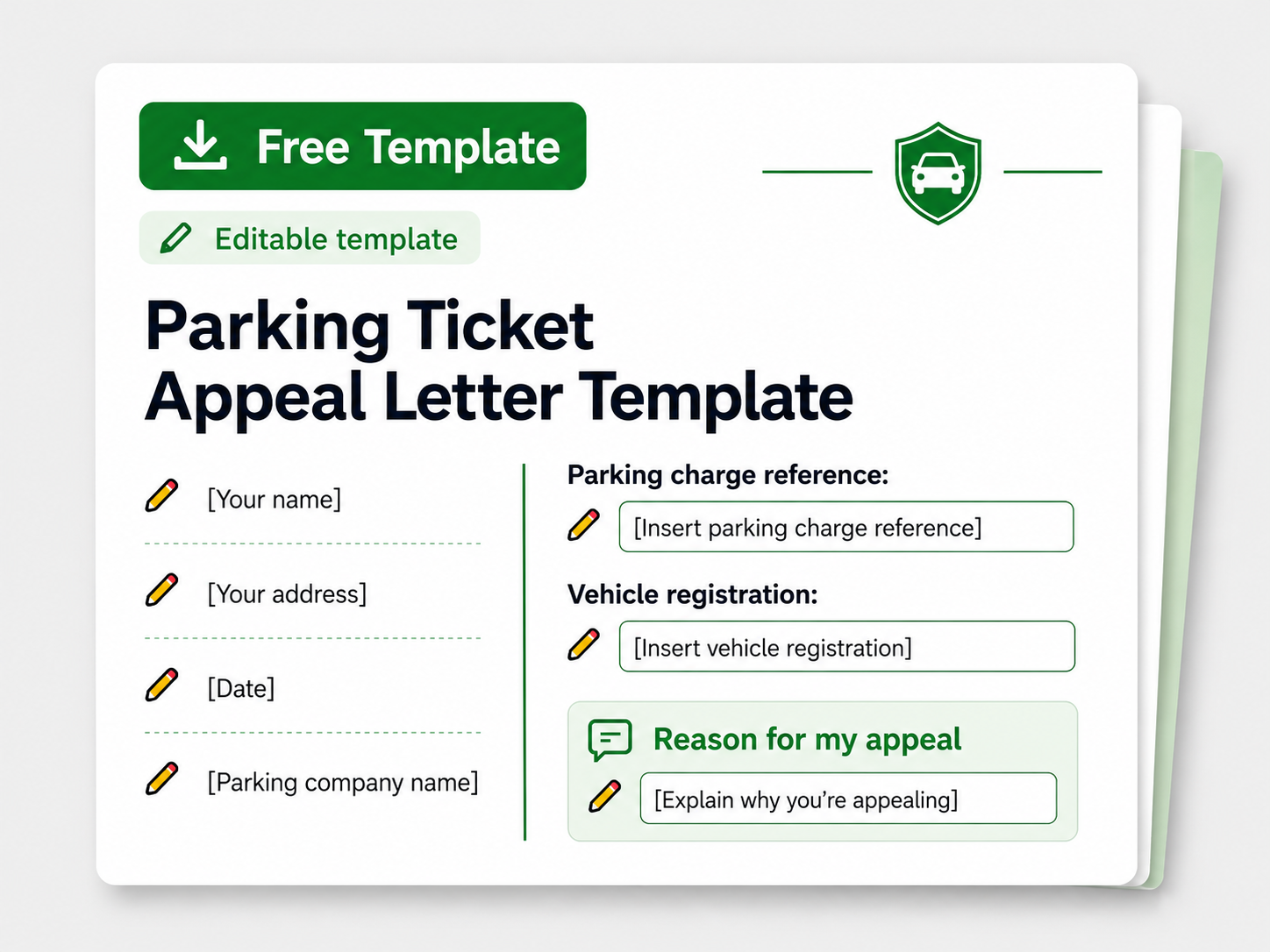
Free parking appeal letter template
The form asks for contact details to deliver your free MoneyNerd template.
Explain what happened, why you dispute the charge and include relevant evidence.
General information, not legal advice. Follow your notice’s instructions and deadlines; adapt the wording to your circumstances. No outcome is guaranteed.
CST Law Contact Details
| Address: | Credit Style Limited, 5 Rutland Court, 161 Rutland Road, Sheffield S3 9PP |
| Phone: | 03300 450 650 |
| Fax: | 0845 638 4712 |
| Website: | https://www.creditstyle.co.uk/ |
How long can a company chase you?
In England and Wales, a simple contract claim normally has a six-year limitation period. The start date and whether a payment or written acknowledgement affects the period matter. A judgment already obtained is subject to different rules. Scotland and Northern Ireland have different legal rules, so a UK-wide “six years and you never have to pay” statement is unreliable.
If the claim may be out of time, get free debt advice before admitting liability or making a payment. Explain the limitation issue in your response and defend any court claim by its deadline. The age of a letter alone does not establish that a debt is unenforceable.
Prepare your parking appeal
The form asks for contact details to deliver your free MoneyNerd template.
Replace the examples with your own facts and check the recipient before sending.
General information, not legal advice. Follow your notice’s instructions and deadlines; adapt the wording to your circumstances. No outcome is guaranteed.
References
For the underlying rules, see Schedule 4 of the Protection of Freedoms Act 2012, the current POPLA appeal guide and IAS appeal guidance. For court matters in England and Wales, see the Civil Procedure Rules pre-action protocols and GOV.UK guidance on CCJs.