






When Is Staying Anonymous Good and When It’s Not, Payments-Wise









For free & impartial money advice you can visit MoneyHelper. We work with The Debt Advice Service who provide information about your options. This isn’t a full fact-find, some debt solutions may not be suitable in all circumstances, ongoing fees might apply & your credit rating may be affected.
Payment anonymity is a topic that rarely comes up until you actually need it — either to protect yourself from unwanted marketing, or to prove a payment was made during a debt dispute. For UK consumers managing tight budgets, navigating debt collectors, or simply trying to reduce their digital footprint, understanding when anonymity helps and when it hurts is genuinely practical knowledge.
The short answer is that anonymity has real value in specific, limited contexts. Beyond those, it introduces risks that can make already difficult financial situations considerably worse.
Why Some People Prefer Anonymous Payments
Cash remains the most accessible anonymous payment method available in the UK, and it’s still surprisingly common. According to UK cash usage statistics, 91% of UK adults used cash at least some of the time in 2025, even as digital payments dominate overall volume. For many people, this isn’t nostalgia — it’s a deliberate choice to avoid generating transaction data.
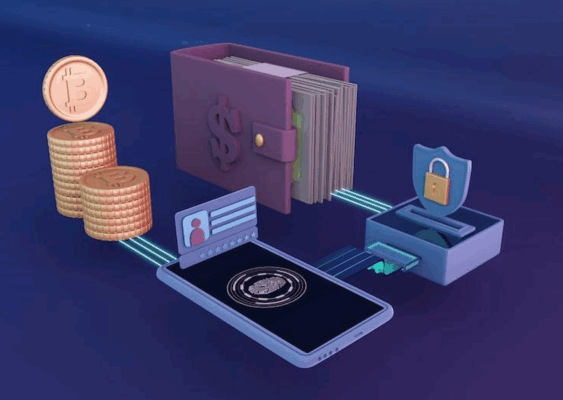
Every digital payment you make creates a record. Card transactions, bank transfers, mobile wallets, and buy-now-pay-later services all leave trails tied to your personal data under UK GDPR and the Data Protection Act 2018. That data can be used by merchants, banks, and third parties to build marketing profiles, inform credit decisions, and in some cases be sold to data brokers. Still, the growth of crypto payments has changed this a bit. Crypto wallets have different encryption, which is why it’s harder to identify their owners. This payment method balance privacy with accountability for some payers, from people wanting to limit their online exposure to those aiming at making payments without registration. Booking a flight, making peer-to-peer transfers, or playing a quick game on UK anonymous casinos are only some of these situations. As for the latter, international iGaming platforms offer crypto payments, unlike their UK counterparts; hence the higher convenience.
Outside of such frameworks, however, anonymous payments in informal or disputed financial contexts often leave consumers without recourse.
When Anonymity Can Backfire Financially
The clearest downside of anonymous payments emerges during disputes. If you’ve paid a debt, a fine, or a contractor in cash and something goes wrong, proving that payment happened becomes your problem. In the absence of a bank record, you’ll need a written receipt — and not everyone provides one. County court proceedings and enforcement agent disputes are significantly harder to navigate when you can’t produce a timestamped, traceable record of what you paid and when.
Fraud risk also increases with anonymous methods. According to fintech and payments commentary referencing UK Finance data, over £629 million was stolen through fraud across more than 2.1 million cases in just the first half of 2025. Many of these scams specifically exploit anonymous or difficult-to-trace payment routes — gift cards, crypto transfers, and unregulated wallets — precisely because recovery is so much harder once funds leave a regulated account.
Where Anonymous Payments Are Legally Accepted
Cash remains fully legal for almost all everyday UK transactions, and regulators have been deliberate about maintaining physical access to it. The Financial Conduct Authority’s access to cash analysis confirms that 99.2% of the UK urban population and 98.5% of the rural population are within reach of a free cash withdrawal point — a policy outcome that recognises cash as an inclusion and privacy tool, not just a legacy habit.
For most face-to-face purchases, local services, and informal transactions with trusted parties, cash is entirely appropriate. Where you don’t fully trust a merchant’s payment infrastructure, using cash eliminates the risk of card details being captured insecurely. For consumers in vulnerable situations — including those managing economic abuse — reducing the digital visibility of spending can also be a meaningful protective measure, and paying in cash is a legitimate way to do that.
Situations Where You Must Be Identifiable
Tax compliance is perhaps the most consequential area where anonymity creates genuine risk. HMRC expects accurate income and expense records from self-employed individuals and those receiving certain benefits. A reliance on cash-only transactions with no documentation can cause serious problems during an investigation or Universal Credit review, particularly if your declared income doesn’t match your apparent spending.
The same principle applies to formal debt relief. If you’re applying for a Debt Relief Order, an Individual Voluntary Arrangement, or negotiating directly with creditors, your documented income and expenditure is scrutinised carefully. Gaps in your payment history — or an inability to demonstrate that debts have already been partially settled — can complicate your case significantly. Regulated, traceable payments aren’t just convenient in these situations; they’re often essential evidence. The practical rule is straightforward: use cash where the only consequence is your own record-keeping, but rely on traceable methods whenever a third party may later need to verify what happened.