







Creditlink Account Recovery Solutions (CARS): Your Rights and Options








MoneyNerd introduces enquiries to The Debt Advice Service and may receive a referral fee. For free, independent guidance and help finding a debt adviser, visit MoneyHelper.
This information and enquiry service is not a full financial assessment or a guarantee of suitability or debt write-off. Debt solutions are not suitable for everyone. Fees may apply, and your credit record and assets may be affected. Get advice on your circumstances before choosing a solution.
MoneyNerd introduces enquiries to The Debt Advice Service and may receive a referral fee. For free, independent guidance and help finding a debt adviser, visit MoneyHelper.
This information and enquiry service is not a full financial assessment or a guarantee of suitability or debt write-off. Debt solutions are not suitable for everyone. Fees may apply, and your credit record and assets may be affected. Get advice on your circumstances before choosing a solution.
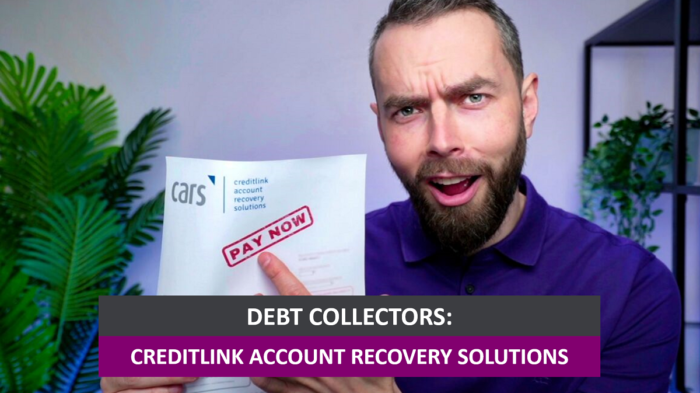
Have you received a letter from Creditlink Account Recovery Solutions (CARS), and you’re not sure what to do next? Maybe you’re feeling a bit worried and confused about where the debt has come from. Don’t worry; you’re in the right place to get some answers.
You can check an unfamiliar demand and get independent advice before deciding how to respond.
In this easy-to-follow guide, we’ll cover:
- Who Creditlink Account Recovery Solutions are and why they might be contacting you.
- How you can check if the debt they’re asking about is really yours.
- What you can do if you can’t afford to pay.
- How to request appropriate contact arrangements.
- Ways you might be able to write off some of the debt.
Let’s dive in!
What should you do about C.A.R.S letters?
Now that we know a little about who Creditlink Account Recovery Solutions Ltd are, let’s consider what you should do if they write to you:
Should I ignore them?
In short, no. If you’ve ever received a debt recover letter in the past, you’ll know that your first reaction may well be to just throw it in the bin.
An ordinary collection agency has no bailiff power to seize goods. Read the letter and respond appropriately to any dispute or deadline.
Ignoring them isn’t going to make them go away or stop chasing you. They will persist in trying to get hold of you, and may even up their efforts to try and secure the money.
CARS describes collecting accounts referred by clients. Do not assume that it bought the account or that a referral creates new enforcement powers.
It can be a long and unpleasant road if you ignore them. Your best bet is to address the situation and find a solution that works for you.
If you dispute the debt or balance, explain why and ask for the creditor’s name, an itemised statement and supporting evidence. FCA-regulated firms must investigate a valid or potentially valid dispute and suspend recovery while doing so. A generic evidence request does not cancel liability, require the account to be marked settled or extend a court deadline.
Should I pay?
Check liability, the balance, enforceability and affordability before paying. Assess the actual letter rather than assuming the sender’s motive.
If the debt is valid, confirm who is entitled to receive payment and how it will be credited. Do not pay an old or disputed balance without checking the legal position.
Do not assume an unfamiliar balance is correct or incorrect. Check the account and raise any specific error with the creditor or collection firm.
Can I stop them from contacting me?
Sort of. It can be annoying being chased by debt collection agencies, particularly if you know you don’t owe the money. It is possible to minimise the contact you have with them, although ignoring them won’t help with matters.
For regulated credit debts, firms must take account of reasonable contact preferences and investigate valid or potentially valid disputes. This does not mean every type of communication must stop, particularly required notices or replies to your dispute.
We understand what it’s like to get letters from debt collectors. Some of us here at MoneyNerd have been in your shoes, so we know how you’re feeling right now. We’re here to help you figure out your next steps and make the best decisions for your situation.
» TAKE ACTION NOW: Fill out the short debt form
What are your legal rights?
It’s often unpleasant having to deal with companies like CARS. However, you do have certain rights when it comes to dealing with them. It’s worth knowing these before you start the conversation with them. Take a quick look at the table below to better understand your rights and those of the debt collectors contacting you.
| Debt collectors may | Limits and protections |
|---|---|
| Contact you to seek payment | For regulated consumer credit, contact must be at reasonable times and respect reasonable requests about when, where and how you are contacted. |
| Ask to discuss the debt at a home visit | A collector has no bailiff powers, cannot force entry or take goods, and should leave when asked. |
| Explain possible court action | They must not mislead you about their powers or threaten action they cannot lawfully take. |
| Discuss an affordable repayment or settlement | Get agreed terms in writing and obtain free advice if you dispute the debt or cannot afford payments. |
| A creditor may seek a separate court enforcement order | A CCJ alone does not give a collector access to your bank account. A third-party debt order requires a separate court process. |
| A creditor may assign a debt | Check who owns it and who is authorised to collect; do not disclose payment details to an unverified caller. |
| Make proportionate follow-up contact | Harassment is prohibited. Requests about contact must be considered; necessary legal notices may still be sent. |
Understand your debt options
MoneyNerd can introduce you to The Debt Advice Service for free debt advice. MoneyNerd does not provide debt advice or recommend debt solutions.
The Debt Advice Service can explain your options, including their benefits, costs and risks. Options available depend on your circumstances. There’s no obligation to take a debt solution.
MoneyNerd does not provide debt advice or recommend debt solutions. The Debt Advice Service is a trading style of Pacific Financial Solutions Limited. If you request an introduction, we’ll share your details with their team so they can contact you.
Some debt solutions have fees and may negatively affect your credit rating. MoneyNerd is a commercial introducer and may receive a fee if you go ahead with a debt solution through The Debt Advice Service.
For free, impartial money guidance and help finding free debt advice, visit MoneyHelper.
Can they visit my home?
An ordinary debt collector may ask to visit, but has no power to force entry or take your belongings. FCA rules require adequate notice of the time and purpose of a visit unless this is not practicable; there is no universal seven-day notice period for ordinary collectors. You can refuse entry and ask them to leave.
Once they’re at your residence, they have no more powers than the original creditor. So, they can’t force their way onto your property or seize your possessions. All they can do is ask you to pay back what you owe.
Bailiff action for an ordinary consumer debt normally requires an unpaid judgment and separate enforcement authority. It does not follow automatically from a collector’s visit.
Can I stop home visits?
You can refuse an ordinary collector entry and ask it to leave. Request reasonable future contact arrangements; this does not guarantee that every contact or required notice will stop.
Ask for an affordable arrangement or raise any dispute, and request suitable contact arrangements. An offer or generic proof request does not automatically prevent every future visit.
What rights do I have?
For collection of regulated consumer-credit debts, FCA rules provide protections including the following. Different debts can have different regulatory and complaint routes.
- They can’t harass you. This means they can’t threaten you, call you at unreasonable times, or try and force you to take out another loan to pay them back.
- They can’t try and trick you. They’re not allowed to pretend they have powers they don’t. Similarly, they can’t send documents that look like they’re court-issued when they’re not.
- A collector must protect your privacy and must not disclose a debt to an unrelated person without a lawful basis. Contact with someone you have authorised, such as a debt adviser, is different. Keep evidence of any improper disclosure and complain.
For a complaint within the Financial Ombudsman Service’s jurisdiction, complain to the business first. You can normally go to the Ombudsman after its final response or after eight weeks without one, and usually within six months of the final response. The Ombudsman can order redress, including compensation where appropriate; it does not fine firms.
What steps can they take?
So, now that you know some of the things they can’t do, it’s time to look at some of the options they have when it comes to recovering the money you owe.
Can they take me to court?
An entitled claimant may bring County Court proceedings in England and Wales. A CCJ is a judgment the court may enter after that claim; it is not something CARS can issue itself.
A CCJ can affect borrowing and normally stays registered for six years; full payment within one month can allow removal. Bankruptcy is a separate procedure with its own conditions and, for a creditor’s petition against an individual in England and Wales, generally a £5,000 debt threshold.
You cannot be imprisoned simply for failing to pay an ordinary consumer debt. Separate matters, such as fraud or disobeying a specific court order to provide information, can have different consequences. Get urgent advice if a court document mentions committal.
Are they bailiffs?
CARS is not a bailiff. For an ordinary consumer debt, the creditor normally needs an unpaid judgment and separate enforcement authority before bailiffs can take control of non-exempt goods. Bailiffs cannot normally force their first entry into a home for this type of debt.
Do not assume enforcement is used only in extreme cases. Obtain advice promptly about any judgment, warrant or statutory demand.

Thousands have already tackled their debt
Every day, our partner, The Debt Advice Service, helps people understand their options for dealing with debt. Their debt advice is free, with no obligation to proceed.
MoneyNerd introduces you to The Debt Advice Service. We do not provide debt advice or recommend debt solutions.

Natasha
Very helpful and informative thank you

If you submit the enquiry form, MoneyNerd will share your details with The Debt Advice Service so they can contact you.
Some debt solutions have fees and may negatively affect your credit rating. MoneyNerd may receive a fee if you go ahead with a debt solution through The Debt Advice Service.
The Debt Advice Service is a trading style of Pacific Financial Solutions Limited.
For free, impartial help and access to not-for-profit debt advice, visit MoneyHelper.
How to stop debt letters
Checking the account, resolving a dispute or agreeing payment can help, but does not guarantee an immediate end to every required account notice.
Get your info ready
First, you’ll want to get your own details and paperwork in order. Whether you intend to contest the debt or not, it’s worth double-checking everything to make sure you’re not overpaying.
Start by collecting all the paperwork you find related to the debt. This includes things like bank statements, receipts, and service agreements. They can provide valuable clues about the debt and whether you can write-off Creditlink Account Recovery Solutions.
Contact them
If you dispute the debt or balance, explain why and ask for the creditor’s name, an itemised statement and supporting evidence. FCA-regulated firms must investigate a valid or potentially valid dispute and suspend recovery while doing so. A generic evidence request does not cancel liability, require the account to be marked settled or extend a court deadline.
Arrange a payment
If a valid balance is unaffordable, explain your budget and request sustainable payments. For regulated credit, the firm must provide appropriate forbearance and consider reasonable proposals; a particular offer is not automatically guaranteed. For regulated credit, if the firm has put a repayment arrangement in place as forbearance and you meet its terms, it must reduce, waive or cancel further interest and charges enough to prevent the debt increasing during that arrangement.
Creditlink Account Recovery Solutions Contact Information
| Postal address | C.A.R.S. PO Box 6520 Basingstoke Hampshire RG21 4UY |
| Customer telephone | 01256 512500 |
| [email protected] | |
| Official website | carsuk.org |
| Opening hours | Monday and Thursday 8.30am–6pm; Tuesday and Wednesday 8.30am–5pm; Friday 8.30am–4pm; Saturday 8.30am–12.30pm; Sunday closed. Check holiday changes with CARS. |
Look at other debt options
If you’re really struggling to repay the money, you should look into other options to help you with your debt. This can include things like an individual voluntary arrangement (IVA), debt consolidation loan, or debt arrangement scheme.
Each option has different eligibility rules and risks. An IVA is formal insolvency; DAS is a Scottish scheme; a consolidation loan is new borrowing and can increase the total cost. Get free debt advice before choosing.
References






