






I Can’t Pay My Debts: Steps to Take and Where to Get Help








MoneyNerd introduces enquiries to The Debt Advice Service and may receive a referral fee. For free, independent guidance and help finding a debt adviser, visit MoneyHelper.
This information and enquiry service is not a full financial assessment or a guarantee of suitability or debt write-off. Debt solutions are not suitable for everyone. Fees may apply, and your credit record and assets may be affected. Get advice on your circumstances before choosing a solution.
MoneyNerd introduces enquiries to The Debt Advice Service and may receive a referral fee. For free, independent guidance and help finding a debt adviser, visit MoneyHelper.
This information and enquiry service is not a full financial assessment or a guarantee of suitability or debt write-off. Debt solutions are not suitable for everyone. Fees may apply, and your credit record and assets may be affected. Get advice on your circumstances before choosing a solution.
If you cannot afford your debts, start with essential living costs and priority bills, then ask for free debt advice. Your options depend on your income, assets, debts and where you live.
We’ll explore:
- The importance of not ignoring your debts.
- How to ask for proof of your debt.
- Ways to get help with your debt.
- Choosing the right solution for your debt.
- Steps to secure and stick with your debt solution.
A debt adviser can help you make a realistic budget and compare suitable options. No single solution is right for everyone.
Let’s get started and explore your options when you can’t pay your debts.
I Can’t Pay My Debts! What Next?
If you think you can’t pay your debts, you will be surprised about the options available to you. Even people with limited or no disposable income can find debt solutions.
1. Don’t Ignore Your Debts
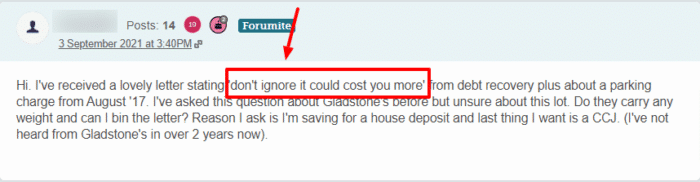
The first step is never to ignore your debts. Even when you think someone is claiming you owe them money and it is a mistake – do not ignore their claims or letters.
Ignoring a genuine demand can lead to further action or lawful costs. Ask promptly for support and respond to court documents within their deadlines.
You might have an urge to bin letters or believe something is inaccurate, but taking action is essential.
2. Ask for Proof of the Debt
If a balance is unfamiliar or disputed, ask for the creditor, account reference, itemised amount and evidence that you are liable.
Ask for the creditor’s name, account reference, balance breakdown and evidence that you are liable. For regulated consumer credit debts, a firm must pause recovery while it investigates a dispute on valid or potentially valid grounds. A request for information does not itself cancel the debt or extend a court deadline.
Explain the actual reason for a dispute in writing and keep a copy. The evidence needed depends on the debt; an original signed credit agreement is not a universal requirement.
A suitable template can help set out your request. Check that it fits the debt and jurisdiction, and distinguish it from a statutory Consumer Credit Act request or court defence.
What if you already recognise the debt?
Do not invent a dispute to delay payment. If you need time or cannot afford the balance, explain this and ask for a pause and affordable support while you obtain debt advice.
» TAKE ACTION NOW: Fill out the short debt form
3. Check old debts before paying or admitting liability
An old or disputed balance needs individual checking. A written acknowledgement or payment can affect the relevant time limit, so seek advice before sending a letter that admits liability.
For many unsecured debts in England and Wales, the usual limitation period is six years from the relevant cause of action, not simply the last phone call. A payment, qualifying written acknowledgement or court proceedings can affect the position. Scotland usually has a five-year prescription period for many ordinary debts, with different rules and exceptions. Court judgments, secured debts and some tax debts require separate advice. Get free debt advice before paying or acknowledging an old debt; do not ignore court papers.
For regulated consumer-credit debt, FCA rules restrict recovery of statute-barred balances, including continued demands after you say you will not pay because the debt is statute-barred. Not every later contact is automatically criminal harassment, and court papers still require a response.
4. Source Debt Support
At any point, you can always ask for help and support at debt charities. The UK has some phenomenal debt charities available and ready to provide you with 100% free debt advice.
One of their services is to evaluate your situation and tell you what debt solutions are available.
Sometimes, they can even process these debt solutions for you. These solutions range from monthly repayments to bankruptcy, with many other options in between.
Many organisations and charities offer emergency funding or hardship programs to help those in severe financial distress. Check if you qualify for these support programs.
Understand your debt options
MoneyNerd can introduce you to The Debt Advice Service for free debt advice. MoneyNerd does not provide debt advice or recommend debt solutions.
The Debt Advice Service can explain your options, including their benefits, costs and risks. Options available depend on your circumstances. There’s no obligation to take a debt solution.
MoneyNerd does not provide debt advice or recommend debt solutions. The Debt Advice Service is a trading style of Pacific Financial Solutions Limited. If you request an introduction, we’ll share your details with their team so they can contact you.
Some debt solutions have fees and may negatively affect your credit rating. MoneyNerd is a commercial introducer and may receive a fee if you go ahead with a debt solution through The Debt Advice Service.
For free, impartial money guidance and help finding free debt advice, visit MoneyHelper.
5. Decide On a Debt Solution
Don’t jump into a debt solution without careful consideration.
You may be eligible for more than one option. Compare monthly affordability, duration, fees, effects on assets and credit, excluded debts and the consequences if the arrangement fails.
6. Secure Your Debt Solution
The method to secure an affordable debt solution will depend on the solution itself. Sometimes, you can secure them yourself by calling creditors and often, the same solution is available through debt charities.
Some formal insolvency solutions involve an insolvency practitioner and fees. Others use different application routes, and some have no application fee. Check the particular solution and UK jurisdiction.
A provider’s fees do not guarantee an overall saving. Ask for a written breakdown and compare free advice and any available free administration service.
Start with MoneyHelper’s debt advice locator or an established debt charity before choosing a paid service.
Take the first step towards tackling your debt
Every day, our partner, The Debt Advice Service, helps people understand their options for dealing with debt. Their debt advice is free, with no obligation to proceed.
MoneyNerd introduces you to The Debt Advice Service. We do not provide debt advice or recommend debt solutions.

Natasha
Very helpful and informative thank you
If you submit the enquiry form, MoneyNerd will share your details with The Debt Advice Service so they can contact you.
Some debt solutions have fees and may negatively affect your credit rating. MoneyNerd may receive a fee if you go ahead with a debt solution through The Debt Advice Service.
The Debt Advice Service is a trading style of Pacific Financial Solutions Limited.
For free, impartial help and access to not-for-profit debt advice, visit MoneyHelper.
7. Stick to Your Debt Solution
Stick to your new debt solution by making payments of the correct amount and on time.
A DMP is informal, so it does not automatically bind every creditor or prevent court action. For regulated consumer-credit debts, firms must consider appropriate forbearance. Where a repayment arrangement is used as forbearance and you meet its terms, interest and charges must be reduced, waived or cancelled as needed so the balance does not grow during the arrangement.
An IVA is legally binding for included debts once approved. If your circumstances change, contact your supervisor promptly; variations or other arrangements may be possible. Failure can leave debts outstanding and may, in some cases, lead to bankruptcy.
8. Prevent Future Debts
Sometimes, it is hard for us not to fall into debt. We might lose our jobs because of reasons out of our control, or be forced into costly purchases to keep the family home going, like a washing machine repair.
When your immediate debt position is stable, a workable budget and benefits or income check can help. Do not put money needed for essential bills or agreed repayments into investments.
Build an emergency buffer only where your budget permits and in a way consistent with any debt solution.