Received an NSL-related parking notice? First check whether it is a council penalty or a private parking charge, because the payment, appeal and enforcement rules differ.
Each month, over 130,000 people visit our website for guidance on fines and parking tickets, so rest assured, you are not alone in this.
This article will provide easy-to-understand information about:
- Who NSL Parking is.
- Whether you need to pay NSL Parking fines.
- How to appeal an NSL Parking fine.
- What could happen if you don’t pay NSL Parking.
- How to check the notice and identify the correct appeal route.
Which? found that unclear rules and various payment methods in private car parks are partly to blame for an increased number of fines.1
But don’t worry; we’re here to help you navigate through this confusion and guide you through the process.
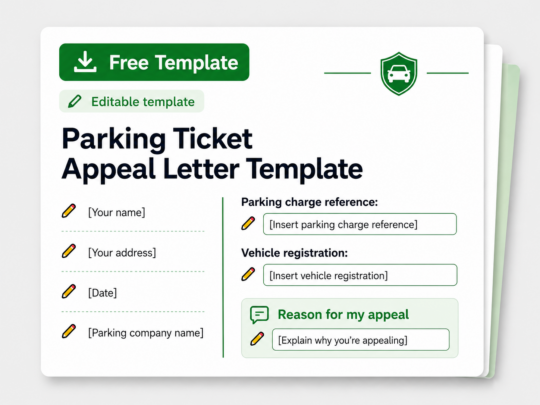
Not sure what to write in your parking appeal?
The form asks for contact details to deliver your free MoneyNerd template.
Add your notice details, reasons for disputing the charge and relevant evidence.
General information, not legal advice. Follow your notice’s instructions and deadlines; adapt the wording to your circumstances. No outcome is guaranteed.
Do you have to pay an NSL PCN?
First establish what kind of notice you have. NSL provides parking enforcement services for public authorities, while NSL-related services also operate on private land. The initials “PCN” alone do not tell you which rules apply.
A council Penalty Charge Notice follows the statutory process of the issuing authority. A private Parking Charge Notice is a contractual claim and follows the operator’s appeals process. Read the issuer’s name and the instructions on the notice before paying or appealing.
Should you pay or appeal an NSL PCN?
Check the alleged contravention, location, dates and photographs against what happened. If you accept the notice, use its payment instructions and discount deadline. If you dispute it, use the challenge route on that notice. Discount rates and deadlines differ, so a universal “40% off within 14 days” rule is unsafe.
What to include in your parking appeal
The form asks for contact details to deliver your free MoneyNerd template.
Include the notice reference, your reasons, supporting evidence and the action you want the issuer to take.
The correct process depends on the notice and where it was issued.
General information, not legal advice. Follow your notice’s instructions and deadlines; adapt the wording to your circumstances. No outcome is guaranteed.
What happens if you don’t pay NSL Parking?
Do not ignore the notice. A council penalty can progress through statutory notices and enforcement, while a private charge may lead to a civil court claim. The procedure and response deadlines depend on the type of notice and the country concerned.
For a private parking claim in England and Wales, a CCJ can affect your credit record. Full payment within one calendar month allows removal from the register; otherwise it normally remains for six years. This is different from the statutory enforcement process for a council parking penalty.
Paid legal information: Continue to JustAnswer
Advertisement. Paid general legal information from JustAnswer. Memberships renew automatically until cancelled. Check the initial price, renewal price, billing interval and cancellation terms. The standard service does not create a solicitor-client relationship. No successful outcome is guaranteed. MoneyNerd may receive a referral fee.
How do you appeal an NSL PCN?
For a council-issued penalty, make the challenge or formal representations to the authority as the notice directs. For a private NSL-related charge, appeal to the named operator and include the reference number, registration and evidence.
There is no single 56-day response rule for every NSL notice. Follow the rules for the specific type of penalty or charge and keep a copy of your submission. A general NSL enquiry is not necessarily a valid appeal.
Appeal Process Steps
The table below relates to private parking charges. For a council penalty, use the issuing authority’s statutory challenge process and the instructions on the notice.
| When | Action |
|---|---|
| On receiving a council PCN | Read the notice, keep it, gather evidence and note all payment and challenge deadlines. |
| Windscreen or handed-to-driver PCN | An informal challenge may be available before the Notice to Owner. Early challenge can preserve a discount under the authority’s policy; 14 days is not a universal final appeal deadline. |
| Postal PCN or Notice to Owner | Normally make formal representations within 28 days as stated on the notice. Do not assume there is an extra informal stage. |
| Representations rejected | The Notice of Rejection explains how to appeal to the appropriate independent tribunal, normally within 28 days. |
| Appeal unsuccessful | Pay by the deadline given in the decision or obtain advice on any available review. Further statutory charges can follow if you do neither. |
| Other ticket type | Private parking charges and FPNs use different procedures; follow the actual notice. |
Further guidance: Traffic Penalty Tribunal; Citizens Advice.
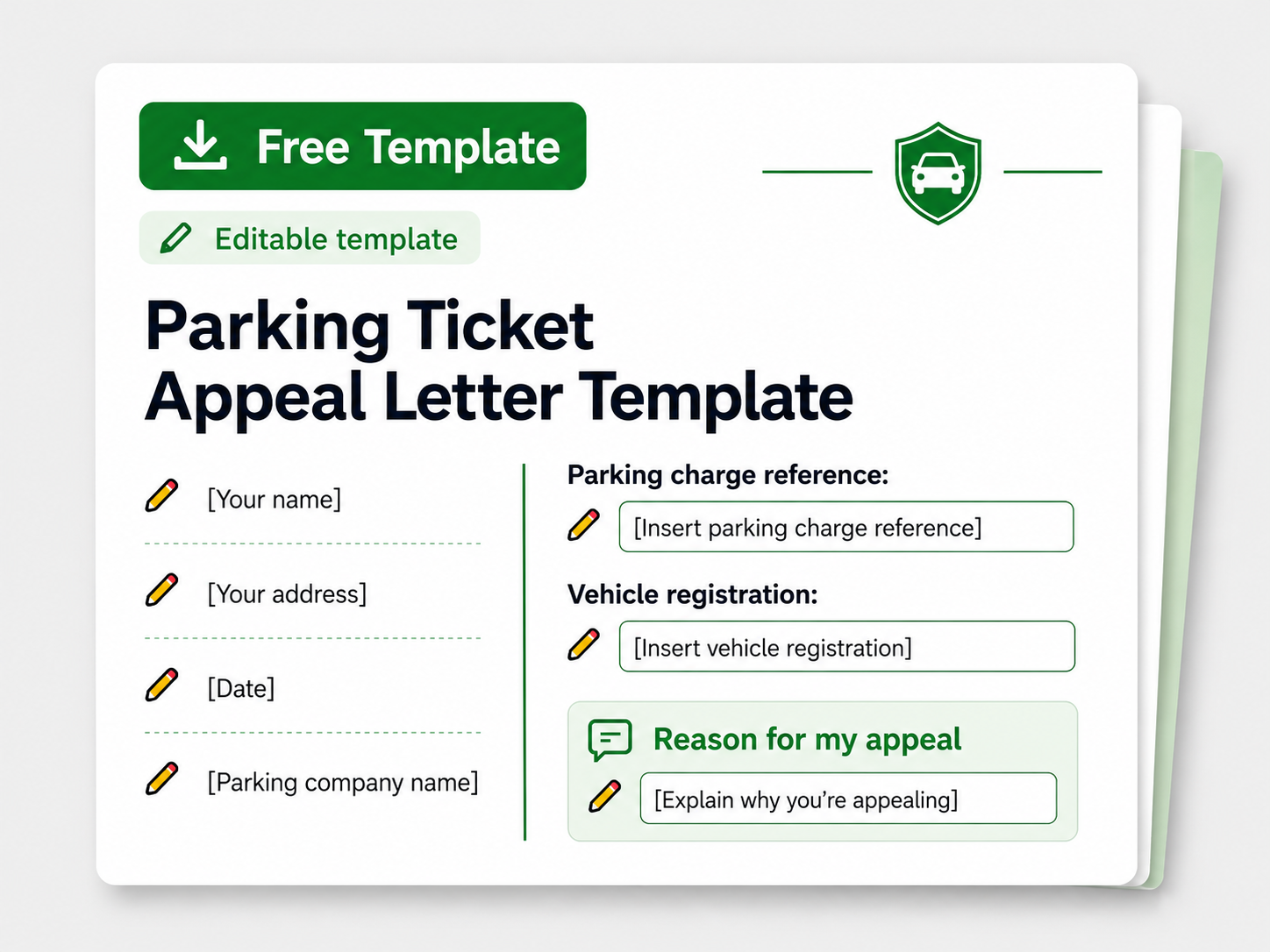
Free parking appeal letter template
The form asks for contact details to deliver your free MoneyNerd template.
Explain what happened, why you dispute the charge and include relevant evidence.
General information, not legal advice. Follow your notice’s instructions and deadlines; adapt the wording to your circumstances. No outcome is guaranteed.
NSL Parking appeal rejected!
For a council penalty, the rejection notice explains any right to the relevant statutory tribunal. For a private charge, the operator’s rejection letter identifies the independent appeal service, such as POPLA. Do not use POPLA for a council penalty or assume that every NSL notice follows the same route.
Use NSL’s official website and the issuing authority’s website to verify contact details. For private-land services, check the operator identified on the notice and its own appeal instructions.
Prepare your parking appeal
The form asks for contact details to deliver your free MoneyNerd template.
Replace the examples with your own facts and check the recipient before sending.
General information, not legal advice. Follow your notice’s instructions and deadlines; adapt the wording to your circumstances. No outcome is guaranteed.
References
For the underlying rules, see Schedule 4 of the Protection of Freedoms Act 2012, the current POPLA appeal guide and IAS appeal guidance. For court matters in England and Wales, see the Civil Procedure Rules pre-action protocols and GOV.UK guidance on CCJs.