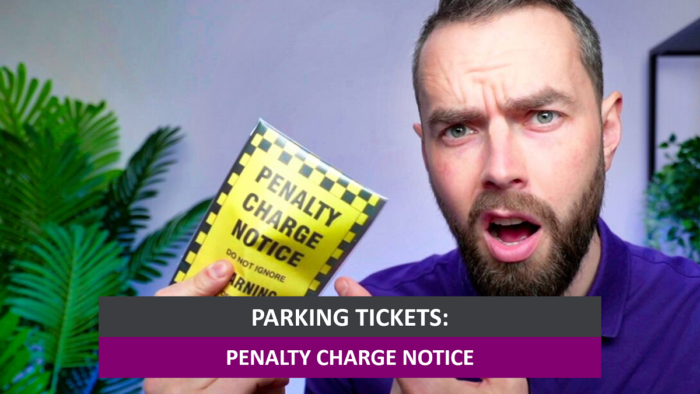












A PCN reference identifies a specific notice. Use it with the vehicle registration when viewing evidence, paying or challenging through the issuer’s official service.
We know that getting a PCN can be troubling and the process may seem confusing. In 2021, Churchill Motor Insurance reported an 8% increase in penalty charge notices (PCNs) in Britain, with over 5.2 million issued1, so you’re not alone. To help you, we’ll cover:
- What is a PCN and why you might have received one.
- Understanding if you need to pay your fine immediately.
- How to challenge the charge if you believe it’s unfair.
- Situations where you may not need to pay your PCN.
- What could happen if you choose not to pay.
We understand your situation and are here to offer guidance. Let’s delve into the details.
What is a PCN number?
Every Penalty Charge Notice (PCN) has a unique identification code called a PCN number. It can be found at the top of any PCN ticket and begins with two or three letters.
PCN numbers are used to identify the specific offence and are necessary for paying or challenging the notice.
The reference is normally required by online services. If you do not have it, contact the issuer promptly with your vehicle registration and other requested details so it can help trace the notice.
What is a PCN reference number?
A PCN reference is the same as a ‘PCN number’. It is a unique identifier of your PCN and is required to pay the fine or challenge it.
The PCN reference number can usually be found on the top of your PCN and starts with a prefix containing two letters.
How can I do a PCN number check?
You can check your PCN number on the top of your PCN.
If your PCN was issued by Transport for London, you’ll find it in the top right corner above the image of the vehicle.
If the reference is missing, check the issuer’s official website or contact service. Some issuers provide online assistance, but there is no single UK-wide lookup for every outstanding PCN.
Do I need to declare a PCN to my insurance company?
A civil PCN is not a driving conviction. Insurers can ask different questions, so answer the actual wording accurately and follow the policy’s notification terms rather than assuming they only ask about collisions.
Can I challenge a PCN?
Use the deadline and challenge stage on the actual notice. PCNs commonly allow 28 days for payment or representations, but the starting event and procedure vary.
For a windscreen parking PCN, you can usually make an informal challenge before the Notice to Owner. It is not compulsory to have challenged informally before making timely formal representations later. Any discount re-offer depends on the authority’s policy and response.
Some postal PCNs invite formal representations immediately; other schemes have different stages. Read the document and submit relevant evidence, which might include:
This could be:
- A valid pay and display ticket
- Photos to show there were no road markings to restrict parking
- Photos or video of unclear road signs
- Witness statement
- A repair note, if your car broke down
There are genuine grounds to appeal a parking ticket. For example, your notice may have been issued too long after the event, so it’s worth looking at the evidence you have at your disposal. Include your address, your vehicle registration number and the PCN number.
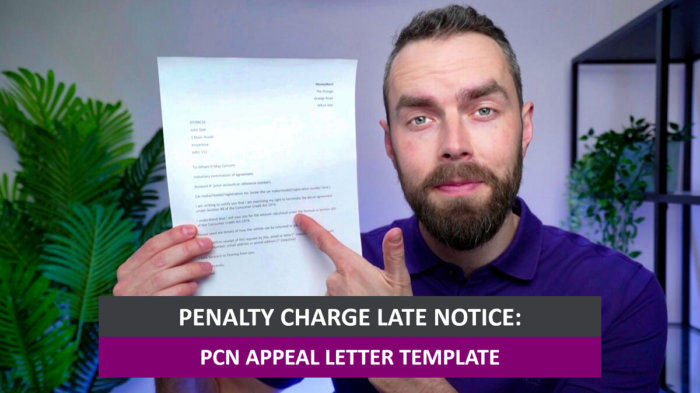
Here’s what a standard appeal process looks like.
At the Order for Recovery stage, a witness statement or statutory declaration may be available on specified grounds. It is not a fresh appeal on the merits. Use the correct form, deadline and any out-of-time procedure, and make only truthful statements.
It’s worth noting that the rules are slightly different if you have been issued with a private parking ticket (also known as a parking charge notice) rather than a Penalty Charge Notice.
A private Parking Charge Notice is usually a contractual demand and can be legally enforceable. Its operator appeal and civil court process differ from council PCN enforcement.
Keep the reference and a copy of the notice. If the number is lost, contact the issuer rather than assuming you can no longer pay or challenge.
Can I check an outstanding congestion charge?
Use your TfL account, payment receipts and official TfL contact service to check your payments or a specific PCN. There is no universal public lookup that reliably confirms every journey and outstanding charge.
The daily Congestion Charge has its own payment deadline. Do not wait for a reminder letter before paying a charge that is due; a PCN can follow non-payment.
TfL announced a used-vehicle penalty-checking service in 2007. That historic service concerned outstanding penalty charges, not whether today’s daily charge is due. Check TfL’s current official contact instructions before relying on old details.
For a current enquiry, use TfL’s official contact route and provide only the information it requests, which may include:
- Your name
- Your address
- Your vehicle’s registration number
- State you have authorisation from the current vehicle owner to complete the check
Response times depend on the current service. An enquiry does not automatically extend a payment or representation deadline.
Have another PCN question?
We’ve been dedicating posts to all of the common PCN questions. So if you have any queries concerning your PCN, there is a good chance we have the answers.
References