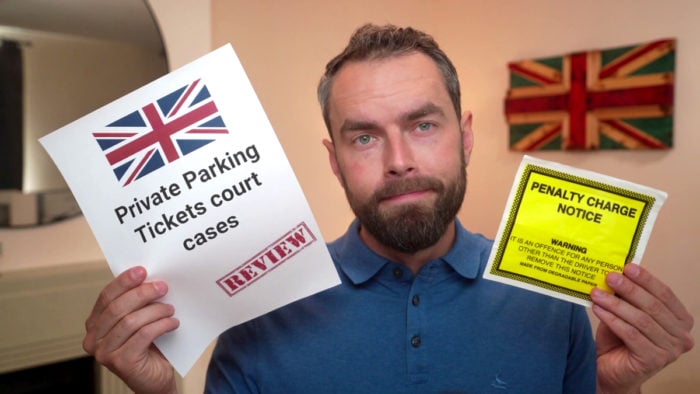
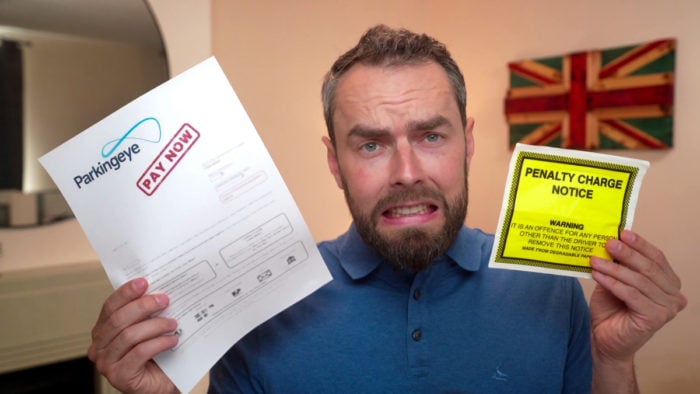
Civil Enforcement PCN – Pay or Appeal?


Quick answer
First check what you have received. An initial Civil Enforcement parking charge, a debt-collection letter and court papers need different responses. For an initial charge you dispute, gather your evidence and use the operator’s appeal instructions.
Check payment and discount terms before deciding. Paying can close the ordinary appeal route; an independent appeal can mean losing the early-payment discount.
Before you write your appeal
- The document: issuer, charge reference, registration and whether it is an initial notice or later correspondence.
- The deadline and allegation: note the response date and the reason the operator gives.
- Your records: payment or permit details, relevant photographs and a clear timeline.
- Your explanation: what you dispute and which evidence supports each point.
Civil Enforcement’s official appeal instructions. Check the deadline and submission instructions on your notice.
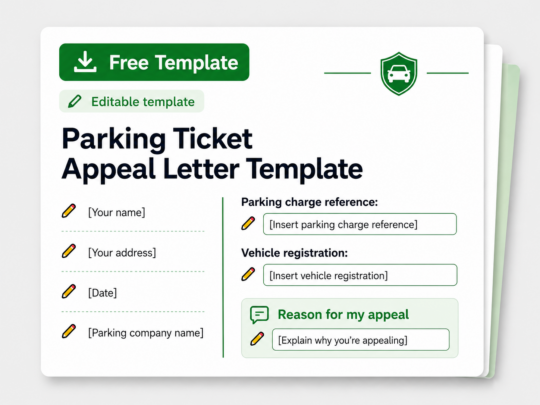
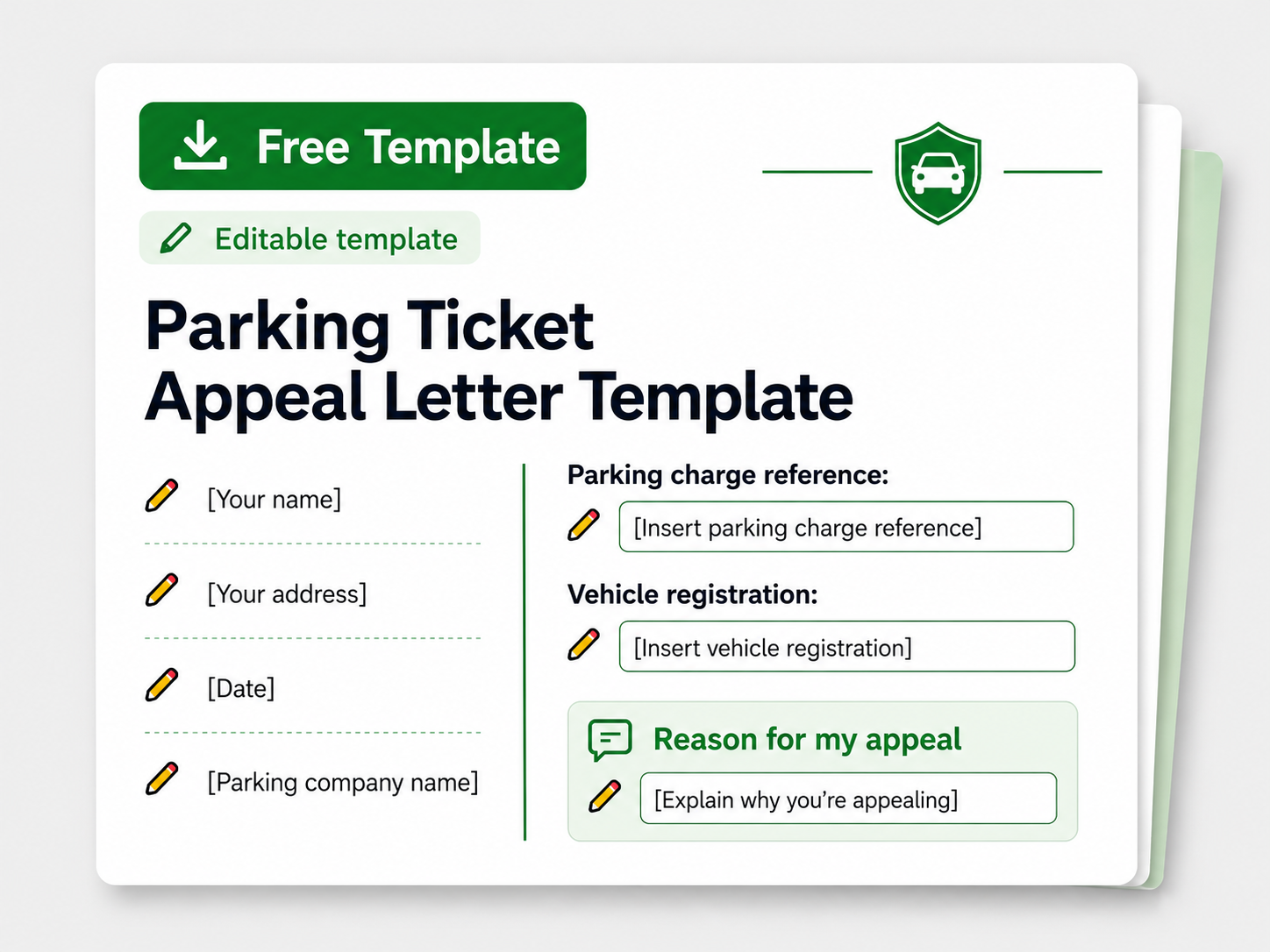
Need a starting point? MoneyNerd’s free editable template helps you organise your charge details, explanation and evidence.
Answer a few questions to request the template by email. Add your own facts and evidence, then submit your appeal yourself. A template does not guarantee cancellation.
Already rejected? If your appeal has already been rejected, use the independent appeal service, code and deadline given in the rejection. The POPLA guide is for notices that specify POPLA.
What is a Civil Enforcement Parking Charge Notice?
Civil Enforcement Ltd’s private Parking Charge Notice alleges a breach of the terms for using private land. It is different from a council Penalty Charge Notice, even though both are often called “PCNs”. Check the company name and notice type before choosing an appeal route.
Common allegations include not paying, staying longer than permitted, parking outside a bay or using a restricted space. The operator must be able to support its claim with the relevant terms and evidence. A private charge can be legally valid before any court case.
Have a Letter of Claim or court papers?
Keep the documents and get advice promptly. Follow the response instructions and deadlines. An ordinary parking appeal template does not replace a court response.
Read the official guidance on responding to a money claim in England and Wales.
The consequences of unpaid Parking Charge Notices
The operator can seek payment, use a debt collection agency or bring a court claim. An ordinary debt collector is not a bailiff and cannot seize your belongings. Added fees are not automatically valid: ask for their basis and challenge amounts you dispute.
Do not ignore a formal Letter of Claim or court papers. In England and Wales, the Debt Claims Protocol normally gives an individual 30 days to reply to a business’s Letter of Claim. Use the reply form, ask for relevant documents and explain any dispute. Court papers have their own deadlines, which still need a response.
A County Court Judgment (CCJ) is made by a court; a parking ticket or debt collector’s letter is not itself a CCJ. If a judgment in England and Wales is paid in full within one calendar month, you can have it removed from the register. Otherwise it normally remains for six years; later payment can mark it satisfied. Bailiff action requires further enforcement steps and is not automatic. Court procedures differ elsewhere in the UK.
What to include in your parking appeal
The form asks for contact details to deliver your free MoneyNerd template.
Include the notice reference, your reasons, supporting evidence and the action you want the issuer to take.
The correct process depends on the notice and where it was issued.
General information, not legal advice. Follow your notice’s instructions and deadlines; adapt the wording to your circumstances. No outcome is guaranteed.
Reasons to appeal a Parking Charge Notice
Base an appeal on what happened and support it with evidence. Relevant points can include:
- You complied with the displayed terms, paid or held a valid permit, or the vehicle details or recorded times are wrong.
- The parking terms were not adequately displayed, or the operator has not shown authority to issue the charge.
- A payment failure, breakdown, medical emergency or disability-related need affected the stay. Explain the circumstances and provide receipts, photographs or other evidence. These points do not guarantee cancellation.
- The operator did not allow an applicable consideration or grace period. A grace period does not apply to every kind of breach.
- The operator is pursuing the registered keeper but has not met the applicable legal conditions for keeper liability.
In England and Wales, where no notice was first left on the vehicle, a notice relying on Schedule 4 of the Protection of Freedoms Act 2012 generally needs to be delivered within 14 days. A notice following a windscreen ticket uses a different timetable, normally days 29–56. Other conditions also apply. A late notice or the fact that you were not driving does not automatically cancel the driver’s liability.
Check the charge against the signs and the applicable industry code. The government’s withdrawn 2022 parking code did not introduce a universal £50 or £80 legal cap. Do not rely on those figures as an automatic appeal ground.
Appeal Process Steps
Here’s a quick table that will help you better understand the appeal process. If you want to learn more about the steps you should take, please read our detailed guide.
This process is for a private Parking Charge Notice. Check the issuer and the instructions on your notice before choosing an appeal route.
| Your stage | What to do |
|---|---|
| You have received the charge | Check the vehicle, location, dates, alleged breach and payment or appeal deadlines. Keep the notice and gather relevant receipts, photographs and other records. |
| You want to dispute it | Appeal to the parking operator using the route and deadline on the notice. Explain what happened, include supporting evidence and save a copy and submission confirmation. |
| The operator rejects your appeal | Read the rejection for the independent appeal service, any verification code and the deadline. Use the service specified for your charge; POPLA and the IAS have different procedures. |
| You receive the independent decision | Read the outcome and any next steps. If the charge is cancelled, keep confirmation. If it is upheld and you still dispute it, seek advice about your position rather than ignoring further correspondence. |
| You receive a Letter of Claim or court papers | This is a separate stage. Get advice promptly and respond by the applicable deadline. Sending an appeal or a complaint does not replace a court response. |
Check the operator’s terms before paying or appealing: payment can close the ordinary appeal route, and an independent appeal can mean losing the early-payment discount.
Official guidance: POPLA appeals; IAS appeals; responding to a court claim in England and Wales.
What is a 10-mins grace period?
A grace period gives a driver time to leave after an allowed parking period ends. Under the private parking industry code, a ten-minute period generally applies after permitted, time-limited parking. It is not a blanket ten minutes of free parking or permission to stop where parking is prohibited.
The time allowed to arrive, read signs and decide whether to stay is a separate consideration period. Check the code and conditions applicable to the site and date, and explain the actual timing in an appeal. Camera entry and exit times are not necessarily the same as the time parked.
How do you appeal a CE Service PCN?
Appeal to the operator first using the instructions on the notice and its official website. Initial appeals are commonly required within 28 days, but follow the deadline on your notice. Include the charge reference, vehicle registration, reasons for disputing the charge and supporting evidence. Keep the submission confirmation.
If you have missed a deadline, explain why and ask whether a late appeal will be accepted; acceptance is not guaranteed. An appeal is intended to resolve a genuine dispute. It should not be used simply to delay payment.
A timely appeal should be handled under the applicable appeals process, with the charge put on hold as required by that process. Do not assume this removes a separate court deadline: respond promptly to any claim papers.
If the operator rejects your appeal, check its rejection letter for a POPLA verification code and instructions. A POPLA appeal is normally due within 28 days of rejection and is free for the motorist. Include your evidence and address the operator’s reasons.
POPLA’s decision binds the operator, but it is not a court judgment binding the motorist. If you win, the charge must be cancelled. If you lose, the operator can continue to seek payment and may bring a court claim; you can still defend a claim. The discounted amount is generally no longer available after a POPLA appeal.
Can you get CCJ for an unpaid private parking ticket?
A private parking charge does not automatically appear on your credit file. In England and Wales, the operator would need a court judgment. A CCJ paid in full within one calendar month can be removed from the register. If paid later, it normally remains for six years but can be marked satisfied. Respond to court papers even while you dispute the parking charge.
Free parking appeal letter template
The form asks for contact details to deliver your free MoneyNerd template.
Explain what happened, why you dispute the charge and include relevant evidence.
General information, not legal advice. Follow your notice’s instructions and deadlines; adapt the wording to your circumstances. No outcome is guaranteed.
Civil Enforcement Advice Line
Civil Enforcement Contact Details
We’ve listed ways of contacting Civil Enforcement Ltd in the table below.
Prepare your parking appeal
The form asks for contact details to deliver your free MoneyNerd template.
Replace the examples with your own facts and check the recipient before sending.
General information, not legal advice. Follow your notice’s instructions and deadlines; adapt the wording to your circumstances. No outcome is guaranteed.
References
- Which? – The rise of private parking fines
- Civil Enforcement Limited – How to pay
- BPA – Parking Signs
- RACF – Private Parking: Public Concern
For the underlying rules, see Schedule 4 of the Protection of Freedoms Act 2012, the current POPLA appeal guide and IAS appeal guidance. For court matters in England and Wales, see the Civil Procedure Rules pre-action protocols and GOV.UK guidance on CCJs.