






Coltman Warner Cranston Debt Letters: Your Options








MoneyNerd introduces enquiries to The Debt Advice Service and may receive a referral fee. For free, independent guidance and help finding a debt adviser, visit MoneyHelper.
This information and enquiry service is not a full financial assessment or a guarantee of suitability or debt write-off. Debt solutions are not suitable for everyone. Fees may apply, and your credit record and assets may be affected. Get advice on your circumstances before choosing a solution.
MoneyNerd introduces enquiries to The Debt Advice Service and may receive a referral fee. For free, independent guidance and help finding a debt adviser, visit MoneyHelper.
This information and enquiry service is not a full financial assessment or a guarantee of suitability or debt write-off. Debt solutions are not suitable for everyone. Fees may apply, and your credit record and assets may be affected. Get advice on your circumstances before choosing a solution.
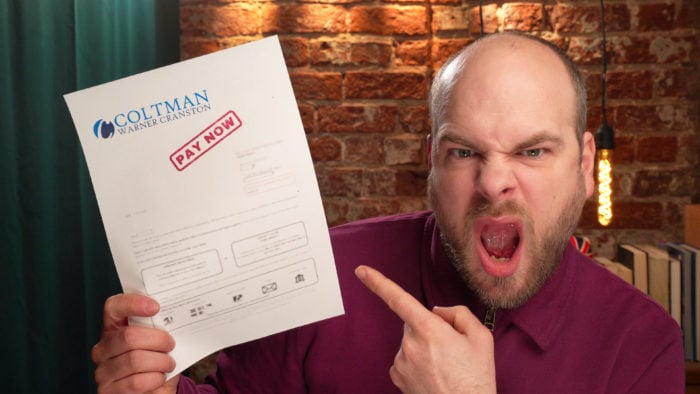
Are you feeling puzzled because you received a letter from Coltman Warner Cranston about a debt? Don’t worry; you’ve found the right place for help.
Every month, over 170,000 folks visit our site for advice on issues just like this one, and research shows that 64% of UK adults find interactions with current debt collectors stressful1. So, you’re not alone.
In this guide, we’ll talk about:
- How to find out if the debt they say you owe is really yours. Remember, if the debt is not yours, you don’t need to pay it!
- The reasons why Coltman Warner Cranston might be reaching out to you.
- What to do if you can’t afford to pay the debt.
- How to chat with debt collectors in a way that works for you.
- What could happen if you don’t pay your debt, and how to find help.
We understand how stressful it can be when a debt collector contacts you. Some of us have been in the same boat. So, we’re here to help you learn about dealing with Coltman Warner Cranston debt.
Why Are They Contacting You?
In England and Wales, many ordinary contractual debts have a six-year limitation period from when the creditor can first sue. A payment or relevant written acknowledgment before expiry can restart it, and a claim issued in time or an existing judgment changes the position. Age alone does not prove a debt is statute barred. Scotland has different prescription rules; get advice before paying or acknowledging an old disputed debt, and respond to court papers on time.
Coltman Warner Cranston LLP is a firm of solicitors providing debt recovery and litigation services. Receiving its letter does not mean it has bought your account.
Check the client it represents and the authority for any additional sum. The creditor’s costs of instructing a solicitor are not automatically all recoverable from you.
Should You Just Pay?
You will likely find that these debt collectors will try and get you to settle the debt in full, as quickly as possible. However, you must first make sure that you are actually responsible for the debt. Understanding your debt with Coltman Warner Cranston might not be cut and dry, so make sure you know all of the facts.
Check the agreement and capacity in which you are said to owe the debt. An additional cardholder is not normally liable merely for holding an extra card, while joint borrowers and guarantors can have separate liability. Explain any genuine dispute and request the relevant evidence.
Furthermore, you may be able to arrange an affordable payment schedule with Coltman Warner Cranston. A debt collection agency would prefer you to pay your debt, even if it takes some time to do so in instalments.
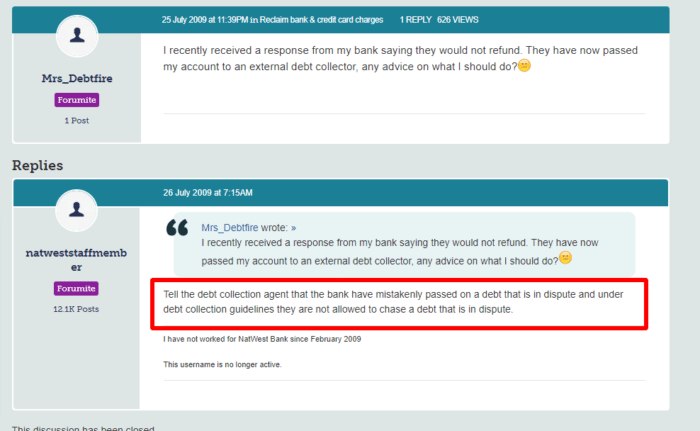
If you dispute the debt, explain why and ask for an itemised balance and evidence of liability. For recovery covered by FCA consumer-credit rules, a valid or potentially valid dispute must be investigated and recovery paused. A generic proof request does not cancel the debt, override an existing court order or extend a court deadline. Statutory consumer-credit information requests have separate requirements and do not apply to every debt.
Understand your debt options
MoneyNerd can introduce you to The Debt Advice Service for free debt advice. MoneyNerd does not provide debt advice or recommend debt solutions.
The Debt Advice Service can explain your options, including their benefits, costs and risks. Options available depend on your circumstances. There’s no obligation to take a debt solution.
MoneyNerd does not provide debt advice or recommend debt solutions. The Debt Advice Service is a trading style of Pacific Financial Solutions Limited. If you request an introduction, we’ll share your details with their team so they can contact you.
Some debt solutions have fees and may negatively affect your credit rating. MoneyNerd is a commercial introducer and may receive a fee if you go ahead with a debt solution through The Debt Advice Service.
For free, impartial money guidance and help finding free debt advice, visit MoneyHelper.
If You Don’t Pay, What Happens?
The next step depends on the account, any dispute and the stage already reached. The following are possible developments, not an automatic sequence:
- You will be sent letters repeatedly, demanding that you make payment, and threatening you with further action.
- The firm may contact you using lawful, reasonable methods. Contact must not be excessive, misleading or disclose your debt improperly to unrelated people.
- In some cases, a collection agent may visit your home. These visits often happen in the evening or at weekends, to try and catch you at home.
- A credit-file default and a CCJ are different. A CCJ normally remains on the register for six years, but full payment within one calendar month can allow removal; later payment is normally marked satisfied. The six-year entry does not mean the judgment debt is cancelled.
- For an individual in England and Wales, a creditor’s bankruptcy petition generally requires at least £5,000 owed and the other legal conditions. A statutory demand gives 21 days to pay or reach agreement, and an application to set it aside normally has an 18-day deadline. Seek urgent advice if you dispute one; it is not just an ordinary collection letter.
When someone is sent to your home, it’s important that they identify themselves as either debt collectors or bailiffs, as each one has different rights. To help you better understand the differences between debt collectors and bailiffs, here’s what they can and can’t do.
| Issue | Debt collector | Bailiff or enforcement agent |
|---|---|---|
| Role | Requests payment for a creditor or debt purchaser. | Acts under a legally valid enforcement power and must follow its limits. |
| Entry | No power to force entry; you can refuse entry and ask them to leave. | Usually cannot force first entry to a home for council tax or an ordinary civil debt. Limited exceptions and re-entry rules apply. |
| Goods | Cannot seize your goods. | May take non-exempt goods belonging to the debtor where the legal conditions are met; essential items and some work equipment are protected. |
| Bank accounts | A judgment alone gives no access. | Taking money from an account normally requires a separate third-party debt order obtained by the creditor, not a doorstep bailiff power. |
| Contact | Must avoid harassment; regulated firms must contact at reasonable times. | Visits are normally between 6 am and 9 pm, subject to legal exceptions. |
| Vulnerability | Tell the firm what support or communication adjustments you need. | Tell the agent and creditor about vulnerability and seek advice about additional safeguards. |
| Disputes | Ask for evidence of the debt and complain about improper conduct. | Check identification, the enforcement authority and fees; get urgent advice about an invalid notice or proposed entry. |
What Is the Worst Thing That They Could Do?
Bankruptcy is a formal insolvency process with serious asset, income and credit consequences. It does not simply let a collection agency deduct the debt from wages. An attachment of earnings order is a separate court enforcement method; a bankruptcy trustee may assess contributions under insolvency rules.
Get advice promptly about a statutory demand or petition. If a debt is disputed on substantial grounds or there are other grounds to challenge insolvency action, the correct legal response and deadline matter.
If you contact Coltman Warner Cranston and offer to set up an affordable repayment plan, you will likely find that the company is willing to entertain such an agreement.
Take the first step towards tackling your debt
Every day, our partner, The Debt Advice Service, helps people understand their options for dealing with debt. Their debt advice is free, with no obligation to proceed.
MoneyNerd introduces you to The Debt Advice Service. We do not provide debt advice or recommend debt solutions.

Natasha
Very helpful and informative thank you

If you submit the enquiry form, MoneyNerd will share your details with The Debt Advice Service so they can contact you.
Some debt solutions have fees and may negatively affect your credit rating. MoneyNerd may receive a fee if you go ahead with a debt solution through The Debt Advice Service.
The Debt Advice Service is a trading style of Pacific Financial Solutions Limited.
For free, impartial help and access to not-for-profit debt advice, visit MoneyHelper.
How to communicate with them
It can be a frightening thought to get in touch with debt collectors, but you actually have rights! Debt collectors cannot:
- Harass you with threatening phone calls and letters
- Use workplace contact in breach of applicable rules or unnecessarily disclose your debt to an employer or colleagues
- Threaten you with legal powers they don’t have
- Breach data privacy laws
- Lie to you
- Add interest or charges without a contractual or legal basis
You can ask for reasonable contact times and methods and explain any vulnerability. A request for written contact does not cancel the debt or prevent required legal notices. Keep records of excessive or misleading contact and complain using the route that applies to the account. Raise the complaint with the firm first. You can report serious professional misconduct by a solicitor to the Solicitors Regulation Authority, but it cannot decide the underlying debt dispute or stop a court case. The Legal Ombudsman generally deals with service complaints from eligible clients, not complaints about an opponent’s solicitor. Financial Ombudsman eligibility depends on the activity and complainant.
Contact Details Coltman Warner Cranston
| Website: | https://www.coltmanco.com/ |
| Phone number: | 02476 627262 |
| Fax: | 02476 227691 |
| Email: | [email protected] |
| Online form: | contact form |
| Address: |
Unit 3, Coventry Innovation Village Coventry University Technology Park Cheetah Road, Coventry CV1 2TL |
References