







Debt and serious illness: payment support and write-off requests








MoneyNerd introduces enquiries to The Debt Advice Service and may receive a referral fee. For free, independent guidance and help finding a debt adviser, visit MoneyHelper.
This information and enquiry service is not a full financial assessment or a guarantee of suitability or debt write-off. Debt solutions are not suitable for everyone. Fees may apply, and your credit record and assets may be affected. Get advice on your circumstances before choosing a solution.
MoneyNerd introduces enquiries to The Debt Advice Service and may receive a referral fee. For free, independent guidance and help finding a debt adviser, visit MoneyHelper.
This information and enquiry service is not a full financial assessment or a guarantee of suitability or debt write-off. Debt solutions are not suitable for everyone. Fees may apply, and your credit record and assets may be affected. Get advice on your circumstances before choosing a solution.
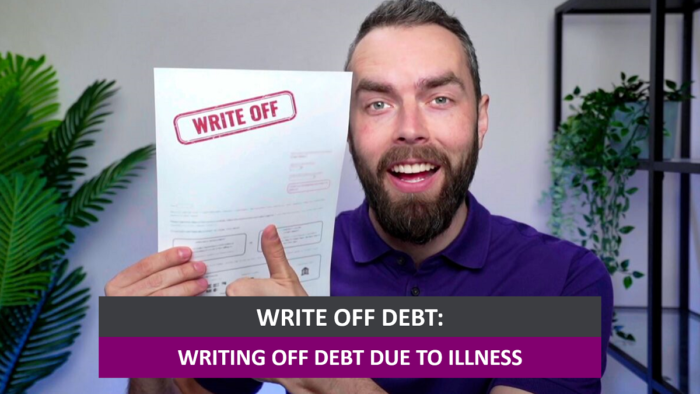
Serious or terminal illness can make debt payments difficult. Tell creditors about the effect on your finances and communication needs, or ask a trusted adviser to help. A write-off can be requested, but illness does not automatically cancel every debt.
What help can I ask for?
Ask for affordable payments, a pause, reduced interest or charges, a preferred contact method and specialist support where available. Explain whether the difficulty is temporary or long term. Ask for the agreement and its review date in writing, including how it will affect your credit record.
Explore your debt options
Some formal debt solutions can write off eligible debts, but suitability depends on where you live, your debts, income and assets. Fees, restrictions and effects on your credit record may apply. Free, impartial debt advice is available from MoneyHelper. The enquiry form introduces you to our commercial partner; submitting it does not confirm that you qualify for any solution.
Does the Equality Act require a write-off?
In Great Britain, a mental or physical condition may qualify as a disability where it meets the statutory definition. Certain diagnoses, including cancer, qualify automatically. Not every short-term illness or mental-health condition automatically meets that definition. Northern Ireland has separate equality law.
Reasonable adjustments can help you access and communicate with a service; they do not create a general right to have the debt cancelled or its financial terms rewritten. See the disability definition and ask for advice about your circumstances.
What evidence should I provide?
Ask what information the creditor actually needs and why. Provide relevant evidence with your consent, using a secure channel, rather than routinely sending a full medical history. A debt adviser can help explain the financial impact and coordinate requests where several creditors are involved.
Can the creditor agree to write off the debt?
A creditor may agree to write off some or all of a balance where repayment is not realistically affordable, including in serious illness. There is no universal medical diagnosis, asset limit or approval rule for a discretionary write-off. Obtain written confirmation of what is released and whether anyone else, such as a joint borrower or guarantor, remains liable.
What if the creditor refuses?
Refusal does not end the discussion about support. Regulated consumer-credit firms must treat customers in financial difficulty with appropriate forbearance. If you believe a firm has treated you unfairly, use its complaint process and check whether the Financial Ombudsman can consider it. The FCA receives reports about conduct but does not decide individual compensation complaints. See the complaints route.
What about Breathing Space or insolvency?
In England and Wales, an approved debt adviser can assess eligibility for standard Breathing Space. Mental health crisis Breathing Space has separate qualifying-treatment rules; a diagnosis alone is not enough. Protection concerns qualifying debts and is not a general write-off.
A DRO, IVA or bankruptcy may address eligible debts, but each has entry conditions, costs or consequences and excluded liabilities. It is wrong to promise that every person will emerge completely debt-free. Get advice that takes account of health, income, housing, assets and care needs.
How might this affect future credit?
Arrears, defaults and settlements can affect credit reports, while lenders also assess affordability. A plan or assurance that an illness is controlled does not guarantee approval. Check reporting for errors, prioritise essential costs and avoid expensive borrowing simply to rebuild a score.