







Richburns Debt Recovery: Debt Checks, Visits and Your Rights








MoneyNerd introduces enquiries to The Debt Advice Service and may receive a referral fee. For free, independent guidance and help finding a debt adviser, visit MoneyHelper.
This information and enquiry service is not a full financial assessment or a guarantee of suitability or debt write-off. Debt solutions are not suitable for everyone. Fees may apply, and your credit record and assets may be affected. Get advice on your circumstances before choosing a solution.
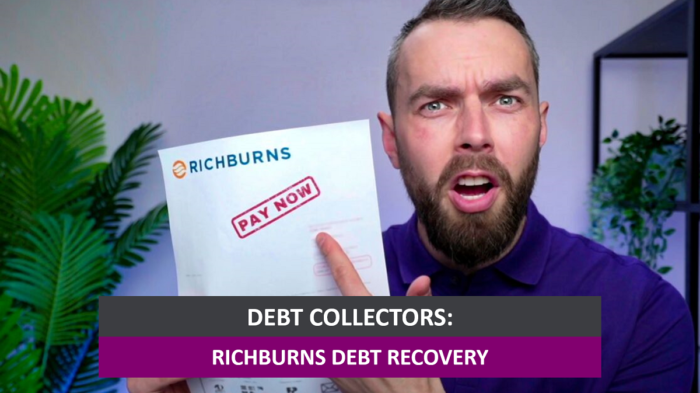
MoneyNerd introduces enquiries to The Debt Advice Service and may receive a referral fee. For free, independent guidance and help finding a debt adviser, visit MoneyHelper.
This information and enquiry service is not a full financial assessment or a guarantee of suitability or debt write-off. Debt solutions are not suitable for everyone. Fees may apply, and your credit record and assets may be affected. Get advice on your circumstances before choosing a solution.
This guide explains how to check a Richburns demand, distinguish collection from utility access and find help if you cannot afford payment.
In this guide, we’ll help you understand:
- Who Richburns Debt Recovery is and what they do.
- How to check if the debt they are asking you to pay is really yours.
- What to do if you can’t afford to pay.
- How to request reasonable contact and complain about conduct.
- Ways to pay off the debt or even write it off.
Collection contact can be stressful. Keep the documents and identify the creditor, purpose of any visit and relevant deadline.
Explanation of the Letter
If you dispute the debt, explain why and ask for an itemised balance and evidence that you are liable. For recovery covered by FCA consumer-credit rules, a valid or potentially valid dispute must be investigated and recovery paused. A generic proof request does not cancel a debt, override an existing court order or extend a court deadline.
How to Respond
Do not assume an unexplained balance is invalid or estimate how much national debt is unproven. Check the specific account and available records.
How to Write a Prove It Letter
Follow our ‘prove it’ guide with letter templates and get them to prove that you owe the money.
If documents have already been supplied, identify the remaining issue or missing information rather than repeating a generic request.
Understand your debt options
MoneyNerd can introduce you to The Debt Advice Service for free debt advice. MoneyNerd does not provide debt advice or recommend debt solutions.
The Debt Advice Service can explain your options, including their benefits, costs and risks. Options available depend on your circumstances. There’s no obligation to take a debt solution.
MoneyNerd does not provide debt advice or recommend debt solutions. The Debt Advice Service is a trading style of Pacific Financial Solutions Limited. If you request an introduction, we’ll share your details with their team so they can contact you.
Some debt solutions have fees and may negatively affect your credit rating. MoneyNerd is a commercial introducer and may receive a fee if you go ahead with a debt solution through The Debt Advice Service.
For free, impartial money guidance and help finding free debt advice, visit MoneyHelper.
Should I Pay?
I suggest you contact one of the leading UK charities if you need further advice.
» TAKE ACTION NOW: Fill out the short debt form
Should I Ignore Them?
Can They Come into My Home?
Bailiffs vs Debt Collectors
It’s important that you know the main differences between bailiffs and debt collectors, as they have very different rights. Here’s a quick table summarizing what each can and can’t do so you’re not taken by surprise.
| Issue | Debt collector | Bailiff or enforcement agent |
|---|---|---|
| Role | Requests payment for a creditor or debt purchaser. | Acts under a legally valid enforcement power and must follow its limits. |
| Entry | No power to force entry; you can refuse entry and ask them to leave. | Usually cannot force first entry to a home for council tax or an ordinary civil debt. Limited exceptions and re-entry rules apply. |
| Goods | Cannot seize your goods. | May take non-exempt goods belonging to the debtor where the legal conditions are met; essential items and some work equipment are protected. |
| Bank accounts | A judgment alone gives no access. | Taking money from an account normally requires a separate third-party debt order obtained by the creditor, not a doorstep bailiff power. |
| Contact | Must avoid harassment; regulated firms must contact at reasonable times. | Visits are normally between 6 am and 9 pm, subject to legal exceptions. |
| Vulnerability | Tell the firm what support or communication adjustments you need. | Tell the agent and creditor about vulnerability and seek advice about additional safeguards. |
| Disputes | Ask for evidence of the debt and complain about improper conduct. | Check identification, the enforcement authority and fees; get urgent advice about an invalid notice or proposed entry. |
What Actions Could They Take?
Take the first step towards tackling your debt
Every day, our partner, The Debt Advice Service, helps people understand their options for dealing with debt. Their debt advice is free, with no obligation to proceed.
MoneyNerd introduces you to The Debt Advice Service. We do not provide debt advice or recommend debt solutions.

Natasha
Very helpful and informative thank you

If you submit the enquiry form, MoneyNerd will share your details with The Debt Advice Service so they can contact you.
Some debt solutions have fees and may negatively affect your credit rating. MoneyNerd may receive a fee if you go ahead with a debt solution through The Debt Advice Service.
The Debt Advice Service is a trading style of Pacific Financial Solutions Limited.
For free, impartial help and access to not-for-profit debt advice, visit MoneyHelper.
Ways to Pay It Off
However, debt collectors are not obliged to accept your request.
Can I Stop the Letters?
How do I Report Them?
Filing a complaint
If you feel the debt collector is acting inappropriately or treating you unfairly, you can:
- First, write to the debt collector to express your concerns
- Tell the company how you want to be contacted. Get confirmation in writing
- Send all letters by recorded delivery in case you have to take the matter further
- Identify the specific conduct and relevant consumer-protection rules. The DMCC Act unfair-commercial-practices provisions apply to practices from 6 April 2025. See related guidance.
- Ask which complaints and escalation process applies to the activity. See related guidance.
- Keep a record of all communications with the debt collector
- Request a reasonable contact method, but continue to respond to genuine legal notices and court deadlines.
For an energy-supply complaint, complain to the supplier first. You can normally approach the Energy Ombudsman after a deadlock letter or eight weeks without resolution. See related guidance.
The Energy Ombudsman can require appropriate remedies within its remit. A Financial Ombudsman complaint is relevant only where that service has jurisdiction over the activity.
Keep the supplier’s final response or deadlock letter and follow the relevant referral deadline.
Ofgem and the FCA have different regulatory roles. Send any regulatory report to the body responsible for the activity. See related guidance.
Regulators do not normally determine individual consumer disputes. Use the applicable complaint and independent dispute-resolution route.
Other Debt Collectors to look for on your Credit Report
There are hundreds of debt collectors in the UK and they each collect for different companies.
It’s surprisingly easy to not notice that you’re in a debt collector’s crosshairs.
I’d suggest you spend time checking your credit report. A sold debt may appear under a new creditor name on your credit report, but not every debt or collector is reported to every credit reference agency.
Some of the biggest to look out for include Cabot, PRA Group, and Lowell.
So if you see anything relating to their names, then you’ll need to investigate further.
Richburns Contact Information
Glossary of terms
FOS – Financial Ombudsman Service
FCA – Financial Conduct Authority
LBA – Letter Before Action
CCJ – County Court Judgement
References